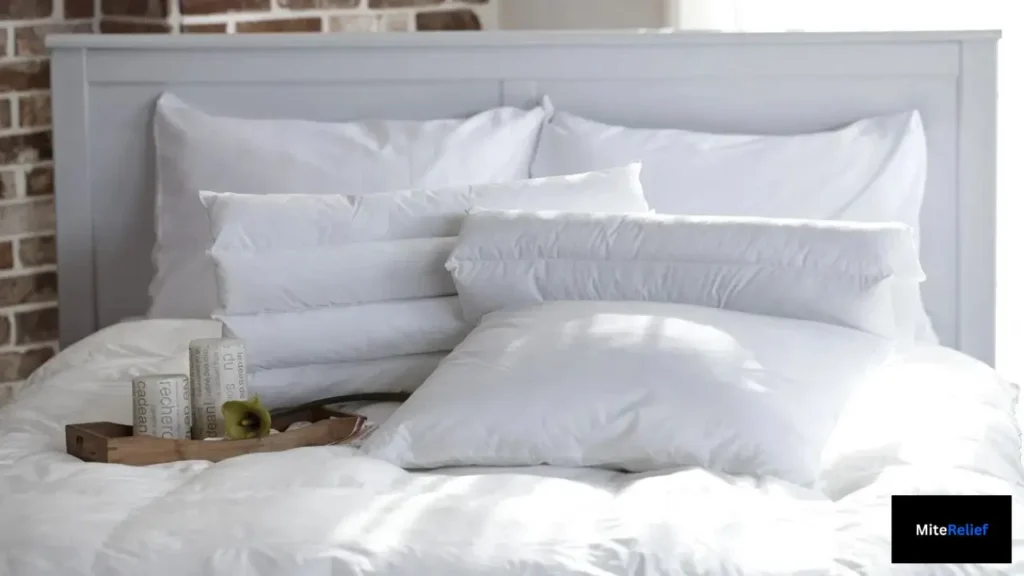
You can’t eliminate dust mites completely. Sorry, but no spray, no gadget, and no miracle powder are going to wipe them off the map forever; they’re just too good at hiding in fabric. But here’s the part that actually matters: you can make your home a place where they struggle to survive. That’s the real goal, and honestly it’s a far more useful one.
Learning how to prevent dust mites isn’t about some one-time deep clean. It’s about small, repeatable habits, the kind you barely think about after a few weeks. If you’re looking into how to reduce dust mites at home, the good news is most of it comes down to washing, drying, and a bit of airflow. No fancy chemicals required. Let’s get into the habits that actually move the needle, one at a time, starting with the one that matters most.
Why prevention beats treatment
Here’s something a lot of people get backwards. Killing dust mites doesn’t remove the allergens already sitting in your fabrics; their droppings and body fragments stay put, and that’s what triggers sneezing, itchy eyes, and all of it. So even a product that “kills 99% of dust mites” doesn’t necessarily mean cleaner air. Prevention works differently. It stops the population from building up in the first place, which means fewer allergens accumulating over time.
Think of it like weeds in a garden. You can pull them, sure, but if you don’t change the conditions that let them grow, they’re back in a month. Same idea here: change the environment (humidity, temperature, food source yes, dead skin cells are basically a buffet for these things), and the mites never get the chance to multiply in the first place. That’s the mindset for everything below.
Habit 1: Wash all bedding weekly at 60°C
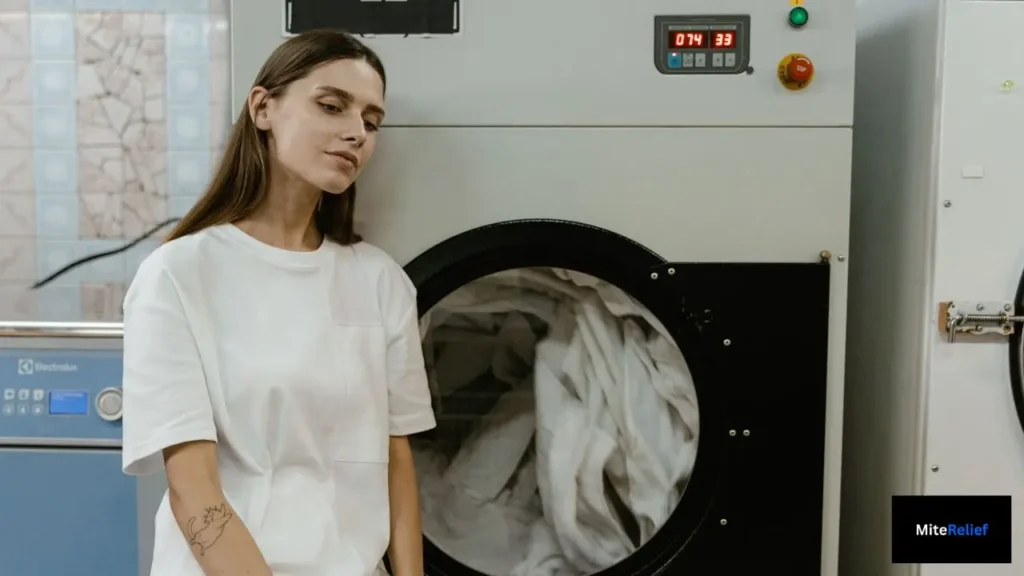
If you only do one thing from this list, make it this one. Sheets, pillowcases, duvet Covers all of it once a week at 60°C (140°F). Dust mites and their eggs can’t survive that temperature. Lower temps, like 30 or 40°C? They might feel clean, but the mites often just shrug it off. Literally survive the wash.
Why 60°C specifically? It’s the threshold where the heat actually denatures the proteins in mite bodies and breaks down their eggs; anything cooler and you’re mostly just rinsing dust around. If your fabric can’t handle that heat (some delicate blends can’t), tumble drying on high for at least 15 minutes afterward helps close the gap. And while we’re on the topic, there are a lot of common myths about dust mite bites floating around online; it’s worth knowing the difference between mite-related irritation and something else entirely
Habit 2: Use dust mite-proof mattress and pillow covers

This one’s a physical barrier, plain and simple. Anti-house dust mite bedding, sometimes labeled “mite-proof bedding,” wraps your mattress and pillows in a tightly woven material that mites can’t get through and that traps the allergens already inside so they’re not floating into the air every time you roll over at night.
It sounds almost too simple to work, but it’s one of the most-recommended steps by allergists for a reason. Your mattress is basically prime real estate for dust mites: warm, humid (from you, overnight), and full of food. A good encasement zips up completely and covers the seams, and you just do it. Leave it on. Wash it occasionally along with your regular bedding rotation, and that’s it. Set and forget, mostly.
Habit 3: Keep indoor humidity below 50%
Using natural dust mite remedies is one of the most effective approaches here, especially when it comes to controlling moisture levels. Dust mites are basically little humidity sensors with legs. They thrive above 50% relative humidity and really struggle below it. A dehumidifier can make a measurable difference, especially in bedrooms where you spend the most uninterrupted hours.
A cheap humidity monitor takes the guesswork out of this. How to Prevent Dust Mites You’ll often be surprised how high moisture creeps in certain rooms, especially in older homes or places with poor ventilation. Some people also look into an air ionizer for dust mites as a secondary measure, though the evidence there is mixed. Humidity control is the more reliable lever to pull.
Habit 4: HEPA vacuum every week
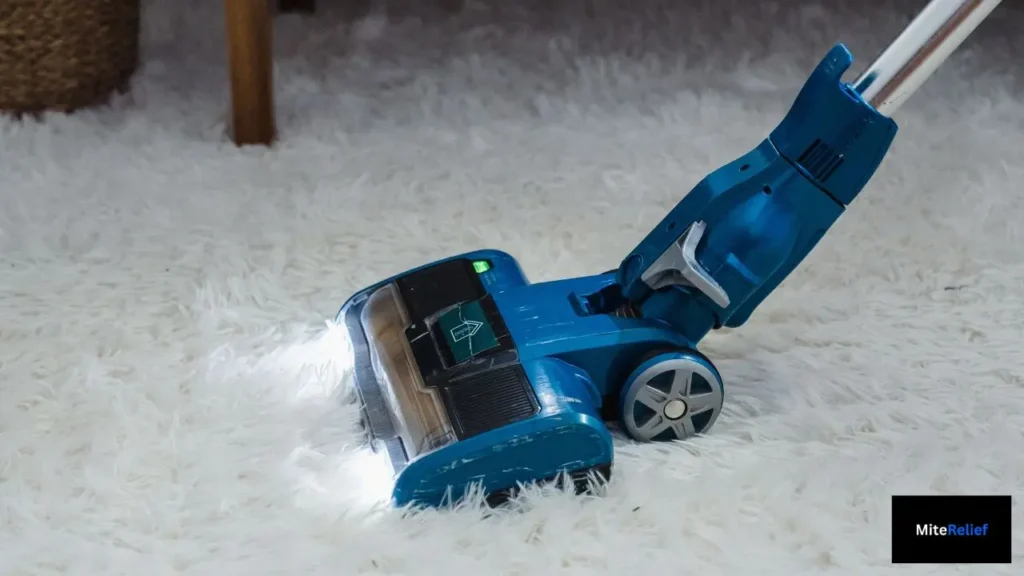
Learning to see what dust mites look like can help you understand why proper filtration matters. The problem with regular vacuums is that they don’t really solve the problem. They pick up some debris, sure, but the exhaust blows the finer particles, including dust mite allergens, right back into the air you’re breathing. A sealed HEPA filter system actually traps those particles instead of recirculating them.
Weekly, hit the mattress, upholstered furniture, and carpets with a vacuum cleaner. When shopping, look for sealed HEPA specifically, not HEPA-style, which is often just marketing language for a loosely fitted filter that doesn’t do the same job.
Habit 5: Remove or reduce carpets and rugs
Carpet is basically a long-term storage unit for dust mite allergens. Hard floors, wood, tile, and laminate just don’t trap dander, skin flakes, and moisture the way carpet fibers do. If you can replace flooring, bedrooms are the best place to start.
If carpet has to stay for now, daily vacuuming in high-traffic areas helps, along with steam cleaning every few months to kill what’s accumulated deeper in the fibers. Flooring type is one of the biggest factors affecting indoor allergen levels, right alongside humidity.
Habit 6: Use an air purifier with HEPA filter
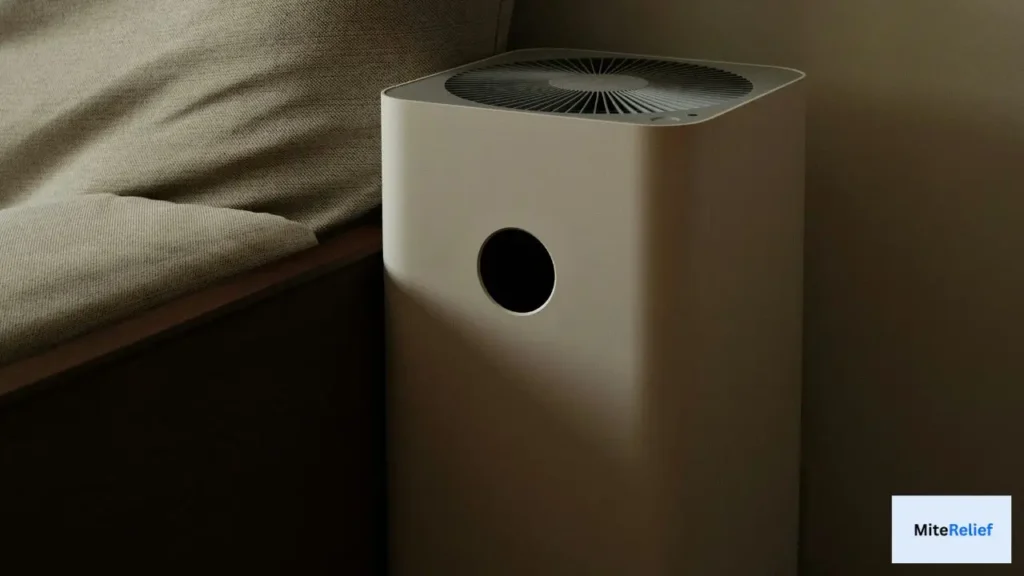
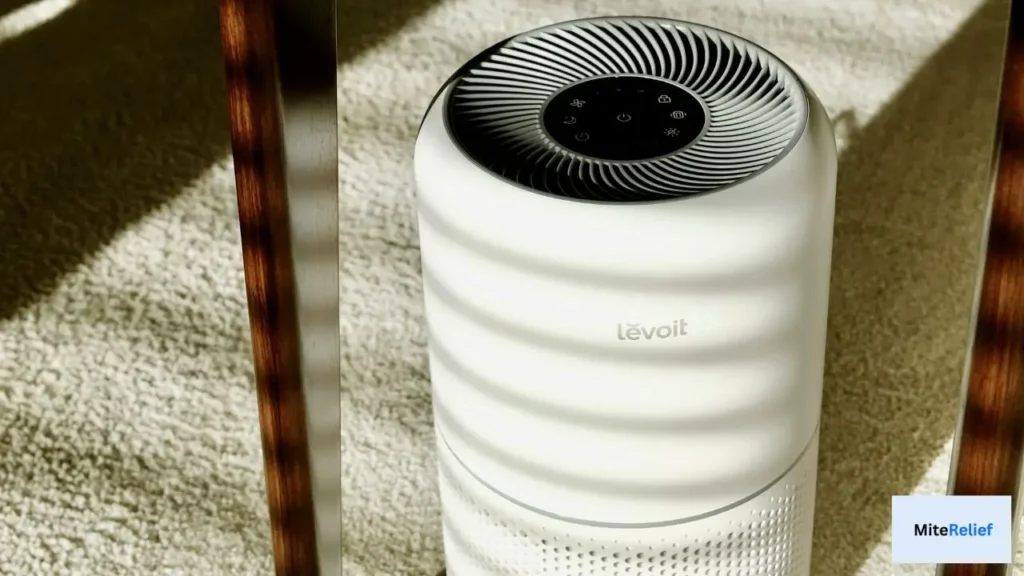
Understanding dust mite allergy symptoms and triggers helps explain why air purifiers are useful but not enough on their own. An air purifier for dust mites won’t solve everything on its own, but it can catch airborne allergen particles that escape vacuuming and bedding washes. The best placement is the bedroom, running overnight while you sleep.
People often ask whether purifiers help if mites themselves are too heavy to stay airborne for long. The answer is yes, because it’s mainly about their waste particles, which are light enough to circulate through the air.
Habit 7: Reduce soft furnishings and clutter
Knowing what are dust mites and where they live makes it clear why soft furnishings are a major trigger area. Decorative cushions, heavy curtains, and stuffed toys are essentially perfect mite habitats. Warm, rarely washed, and good at holding onto moisture. The simpler a bedroom, the fewer places mites have to settle in.
For kids’ rooms, stuffed animals are tricky. Freezing them overnight in a sealed bag kills mites without damaging the toy. Hot washing works too, if the fabric can handle it. Neither solution is glamorous, but they work.
Habit 8: Keep bedroom temperature cool
Dust mites thrive around 20–25°C and slow down outside that range. Dropping your bedroom below 20°C overnight is one of the lower-effort changes you can make. It just becomes routine once you’re used to it.
Opening windows helps on dry days, both for airflow and humidity. In humid climates, though, it can backfire, bringing more moisture in than it lets out. Worth paying attention to what the weather’s actually doing before you crack a window and call it done.
Habit 9: Your monthly deep clean checklist
Weekly habits handle the day-to-day, but a monthly deep clean catches what slips through.
Bedroom
- Wash pillows and duvets, not just the covers.
- Vacuum under the bed and behind the headboard.
- Wipe blinds and curtain rails.
- Check mattress covers for tears or wear.
Living room
- Steam clean or deep-vacuum upholstery.
- Wash throw blankets and cushion covers.
- Dust shelves, electronics, and hard surfaces.
- Rotate or air out rugs if possible.
Frequently asked questions
Can you ever fully get rid of dust mites?
No, not realistically. They’re present in nearly every household, even very clean ones. The goal is keeping populations low enough that allergens don’t build up.
Does vacuuming reduce dust mites?
Yes, especially with a HEPA filter. But vacuuming alone won’t solve the problem; it works best alongside hot bedding washes and humidity control.
Does opening windows help with dust mites?
It can help by lowering indoor humidity during dry weather. In consistently humid climates, it may do the opposite, so check conditions first.
How often should you change bedding to prevent dust mites?
Weekly, washed at 60°C if the fabric allows. This is one of the most effective habits for reducing dust mite allergens.
What is the best way to prevent dust mites naturally?
A combination of hot washes, humidity control below 50%, sunlight exposure when possible, and regular cleaning. Dust mites struggle in dry, bright conditions.
A combination of hot washes, humidity control below 50%, sunlight exposure when possible, and regular cleaning. Dust mites struggle in dry, bright
conditions.
What to read next
- Dust Mite Allergy Symptoms: How to Know If You’re Allergic
- What Kills Dust Mites?
- Do Dust Mites Bite?
- What Are Dust Mites?
Conclusion
Nine habits sounds like a lot written out like this, but most homes are already doing two or three of them without realizing it. Start with bedding and humidity control; those two alone handle a huge part of the problem, then layer in the rest as they fit your routine.
And honestly, ask any allergist; they’ll say the same thing. Consistency beats intensity. A weekly wash kept up for months does more than one big clean that gets skipped half the time. Not glamorous. Just works.
Every home’s different too. Pets, building age, and how many people share a room. It all shifts, which habit pulls the most weight for you. Dry apartment? Habit 8 might do more than Habit 3. Humid coastal place? The dehumidifier’s probably your MVP. Either way, just notice how you feel in the mornings and tweak from there.
Medical Disclaimer
This content is for informational purposes only and is not a substitute for professional medical advice, diagnosis, or treatment. Always consult a qualified healthcare provider regarding persistent allergy symptoms, asthma, or breathing difficulties. We assume no liability for any health outcomes resulting from the use of this information.

Umar Farooq is the founder of MiteRelief, a resource for dust mite control and allergy prevention. After battling allergen sensitivity, he started creating research-backed guides that turn complex indoor air quality science into practical, affordable solutions anyone can implement.