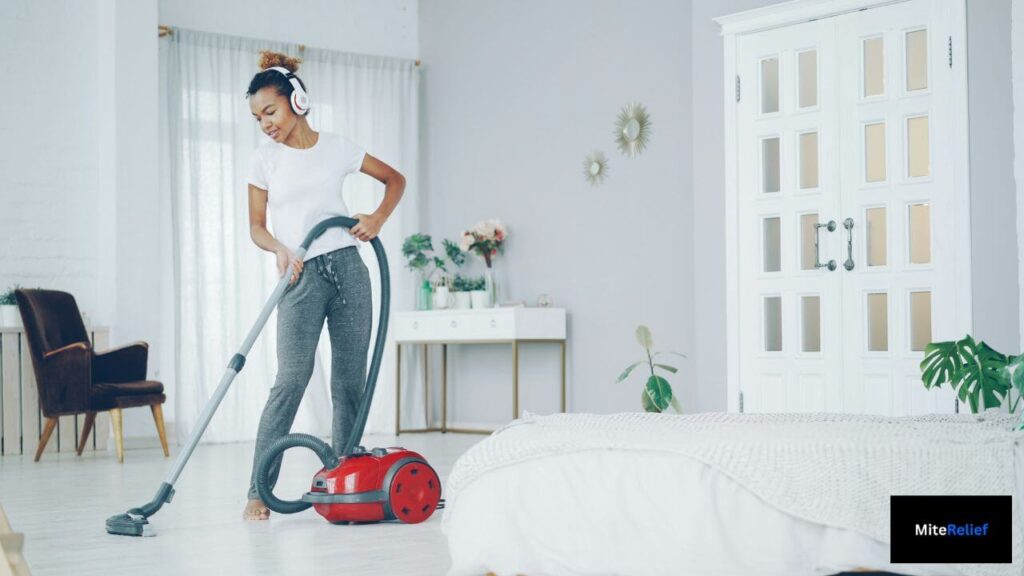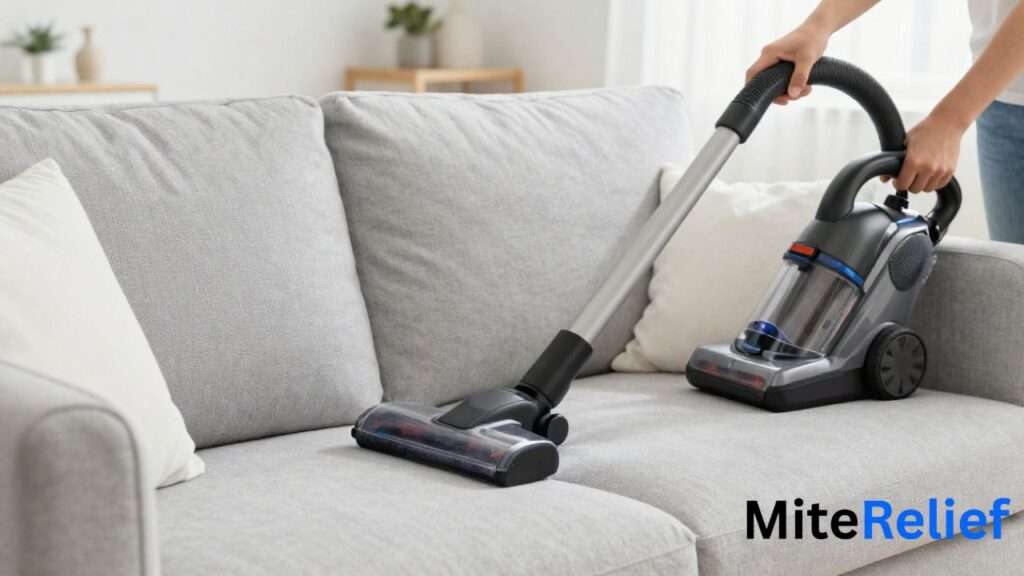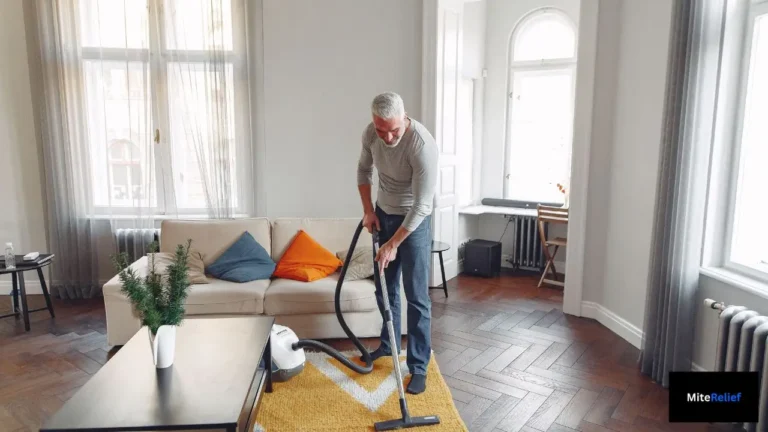
Okay so dust mites. Genuinely gross to think about. But here’s the good news. You don’t need a cabinet full of sprays or to fumigate your whole house. Heat, moisture control, and a few targeted natural ingredients do most of the work. That’s really it.
How to Get Rid of Dust Mites Naturally I know “natural remedy” articles can sound like fluff, like someone’s just avoiding saying “buy this chemical spray.” This isn’t that. If you’re wondering what are dust mites, specifically, are, heat and humidity control are often more effective than chemical sprays. Those sprays mostly just kill on contact and do nothing about the eggs, or the humid environment that lets new mites move right back in.
So. Seven methods. Let’s get into it.
Why This Stuff Actually Works
Dust mites are, and I didn’t expect to say this, kind of fragile. Hard to feel bad for something that’s currently living in your pillow. I get it. But bear with me.
These microscopic little guys need warmth and humidity to survive. Mattresses, pillows, carpets, basically anywhere skin cells accumulate (yeah, that’s their food source, sorry). And they can’t survive outside a fairly narrow comfort zone.
Heat above 60°C kills them outright, full stop. Drop the humidity below 50% and they start drying out since they absorb moisture from the air rather than drinking it like most things do. And certain plant oils like tea tree oil, eucalyptus oil, and clove oil disrupt their nervous systems or just make the surface they’re sitting on inhospitable.
Combine a few of these and you’re attacking the problem from multiple directions at once. Which, honestly, is what actually works long-term.
Method 1: Hot Wash All Your Bedding. Like Actually Hot.
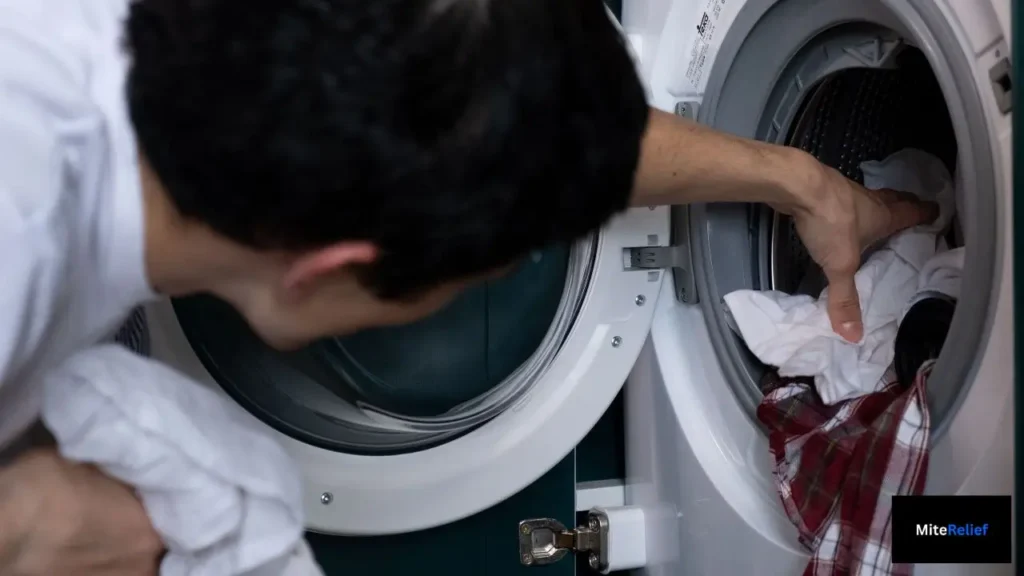
If you do nothing else on this list, do this one.
Washing sheets, pillowcases, and duvet covers at 60°C or hotter is hands down the most effective answer to what kills dust mites. Eggs, larvae, adults—all of it.
Most washing machines have a “hot” or “sanitize” cycle that hits this. It’s worth checking with an actual thermometer once, though, because “hot” on the dial doesn’t always mean what you’d hope.
Lukewarm water, 30 to 40°C, basically does nothing. Mites are fine with that. More than fine, honestly.
Cotton and poly-cotton blends handle 60°C without any issue. Wool blankets and delicate fabrics, though, will shrink at that temperature. So for those a long tumble dry on high heat works as a decent backup since dryers often run hotter than washers do anyway.
After washing, dry everything completely before remaking the bed. Damp bedding left to slowly air dry? That’s basically an invitation for mites to move right back in.
One more thing. Pillows. People forget about pillows constantly. Run them through a steam or sanitize cycle every couple of months. They hold a huge mite population and rarely get washed as often as sheets do.
Method 2: Get a Dehumidifier and Actually Use It
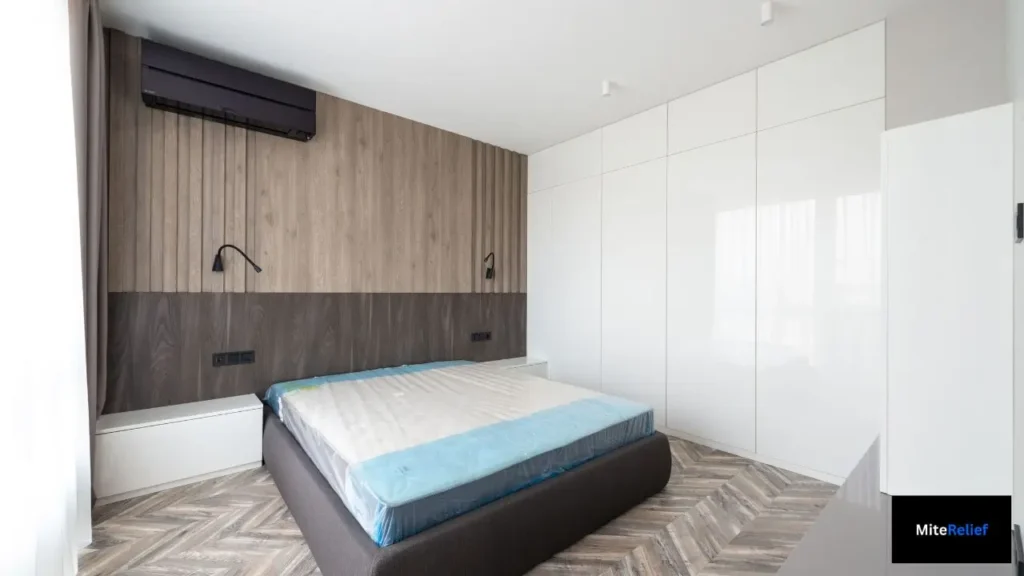
Dust mites need humidity above roughly 50% to be comfortable. Drop the relative humidity in a room below that and they start dehydrating. It’s a slow process, not instant, but consistent low humidity over a few weeks will crash a population.
Bedrooms and living rooms are the priority targets mostly because that’s where people spend their time and where dust and skin cells pile up.
A mid-sized dehumidifier running several hours a day, or continuously if you’re somewhere very humid, can bring a bedroom from 65 to 70% down to 40 to 50%. That’s a meaningful drop.
So, dehumidifier or AC? Honestly, both are lower humidity but in different ways. AC cools and dries air as a side effect of temperature control. Great in summer but expensive if you’re running it all day just for the humidity benefit. A dehumidifier is more targeted and usually cheaper to run long-term, especially in rooms without AC at all.
And if you’ve been researching this, you’ve probably seen “air purifier for dust mites” come up a lot too. Worth knowing. HEPA air purifiers help with the airborne allergen particles, the broken-down waste, and body fragments floating around that trigger your allergies. But they don’t touch the mites actually living in your mattress or carpet.
Think of it this way. A dehumidifier attacks the population; a purifier cleans up what’s already floating in the air. Ideally use both.
Method 3: Make Your Own Dust Mite Spray
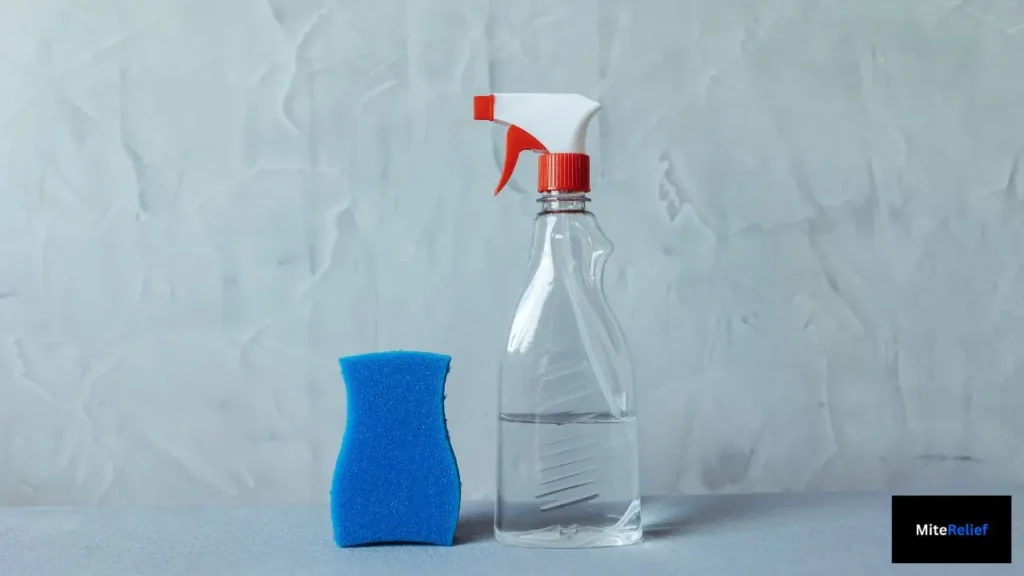
This one’s kind of fun, not gonna lie. Combines distilled water with a couple of essential oils for dust mites known to repel or disrupt mites.
Basic Recipe
- 200ml distilled water
- 10 to 15 drops tea tree oil
- 10 drops eucalyptus oil
Shake it well before each use since oil and water separate pretty quickly.
How to Apply
To apply, lightly mist mattresses, pillows (fine mist, not a soak, important), and carpet edges. Let everything dry fully before remaking the bed, usually a couple hours depending on the humidity in the room.
Don’t drench the fabric. A wet patch can encourage mold, and that would make things worse, not better. Trust me, that’s not a trade you want to make.
Use this once or twice a week. Some people throw in a few drops of lavender just for the scent. It doesn’t hurt, and lavender does have mild repellent properties of its own.
One caveat, though. Essential oils are potent stuff. Keep sprays away from pets; cats especially are sensitive to tea tree oil, and patch test on lighter fabrics first to check for staining.
Method 4: Diatomaceous Earth (Sounds Scarier Than It Is)
This one works through a purely mechanical process. No chemicals are involved at all, which I find kind of satisfying, honestly.
Food-grade diatomaceous earth, or DE for short, is made from fossilized algae ground into an incredibly fine powder that’s sharp at a microscopic level. When mites contact it, the powder damages their waxy exoskeleton, and they dehydrate and die.
Important. Make sure it’s food grade diatomaceous earth. Pool grade DE is chemically treated and not safe for this.
How to Use It
Sprinkle a thin even layer over carpets, rugs, and mattress surfaces. Work it into fibers with a soft brush, especially in carpets where mites burrow deep. Leave it for several hours; overnight is ideal. Then vacuum thoroughly with a HEPA filter vacuum.
It’s generally considered safe around kids and pets when food grade, though it can irritate your lungs if you breathe in a lot of it during application. Open a window and step out for the few minutes it takes to settle. Reapply every couple weeks for ongoing control, especially in high-traffic carpeted spots.
Method 5: Essential Oils Beyond Just the Spray
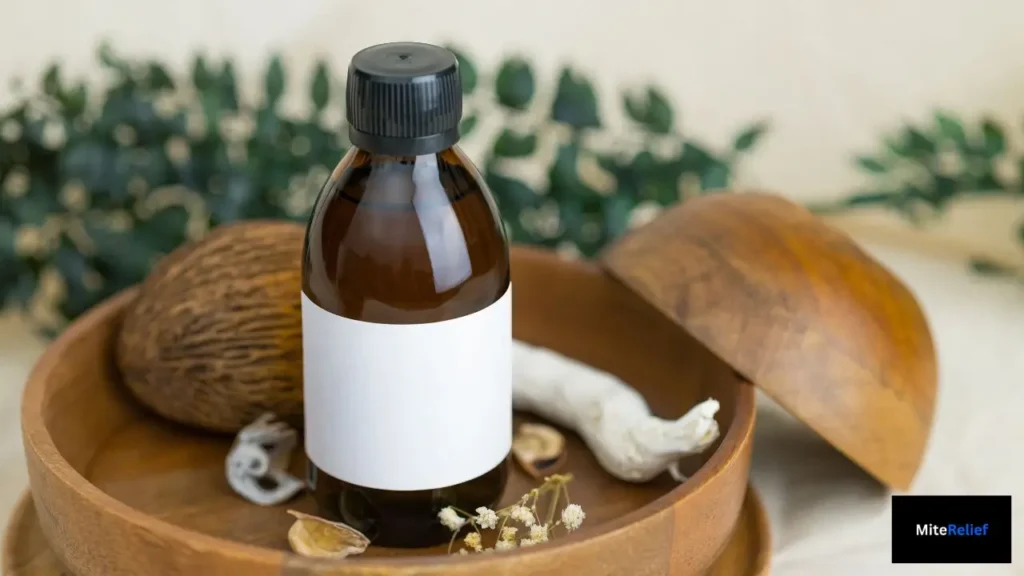
Beyond the basic spray from Method 3, there’s a handful of essential oils for dust mites with research-backed repellent properties worth knowing individually.
- Tea tree oil
- Eucalyptus oil
- Clove oil
- Lavender oil
- Peppermint oil
Tea tree is probably the most studied, with documented effects against mite populations in textile testing. Eucalyptus works similarly and has the bonus of smelling fresh rather than medicinal; most people prefer it. Clove oil contains eugenol, which has shown repellent activity against various mites and insects. Lavender’s gentler, adds a calming element, and has mild antimitotic properties of its own. Peppermint, strongly smelling, is good for general freshness too.
How to Use Them
You can use these by adding a few drops to a diffuser overnight, mixing 5 to 10 drops into your laundry detergent, or using them in the homemade spray from Method 3.
Worth noting. At low concentrations these oils repel and disrupt more than they kill outright. So think of them as a supporting method, not a standalone fix. Pair them with hot washing or diatomaceous earth for actual population reduction.
Method 6: Sunlight. Free, Easy, Underrated.
Sometimes the simplest method really is the best one, and this one costs nothing, which I genuinely love.
UV light and dry heat from direct sunlight dehydrate dust mites. Basically Method 2’s humidity trick but turned way up.
On a dry sunny day, ideally low humidity too, take your mattress (if you can manage it), rugs, cushions, and even stuffed toys and lay them flat in direct sunlight for three-plus hours. Flip halfway through if you can.
This works best in summer or during dry stretches. A damp, overcast day won’t do much, unfortunately.
It’s also just a nice excuse to air out a room. Open the windows and let some breeze through. And if you don’t have outdoor space for a mattress, most people don’t, honestly; even a sunny window helps for smaller stuff like pillows or toys.
Method 7: Anti-Dust Mite Covers
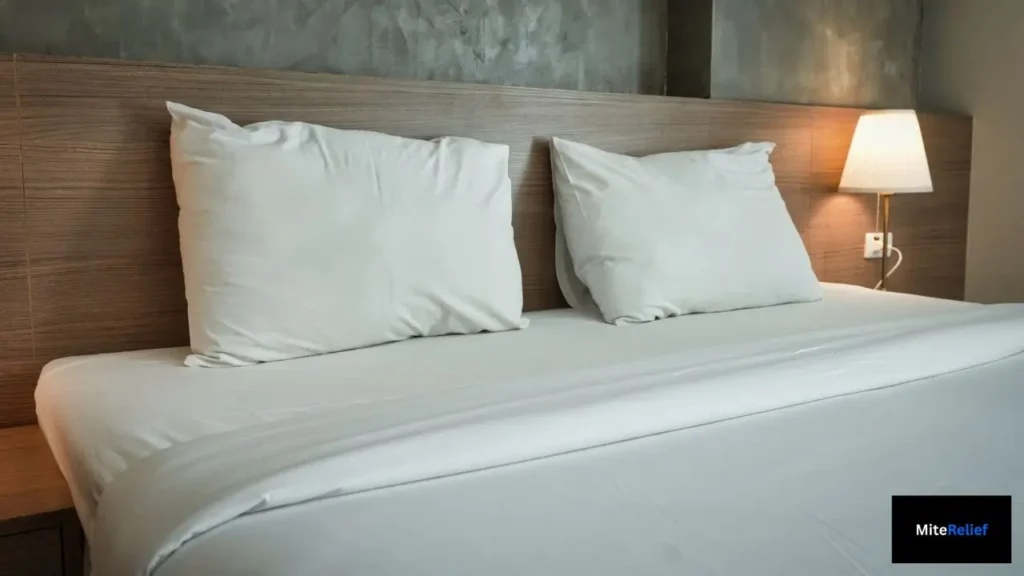
This one’s less about killing mites and more about building a barrier. Probably the most set-it-and-forget-it option here.
Anti-dust-mite mattress covers and pillow covers are made from tightly woven fabric with a pore size small enough that mites and their waste particles can’t pass through in either direction. So the allergens, mostly waste and broken down body fragments, stay trapped inside away from your nose while you sleep, even if mites are still present in the mattress underneath.
Look for covers labeled “allergen-proof pillow covers” or similar anti-house dust mite bedding, usually tightly woven microfiber or membrane laminate.
Best Practice
- Encase the mattress
- Encase the box spring if you’ve got one
- Encase all pillows
- Wash the covers every couple months
Combine this with Method 1’s hot washing for your actual sheets and you’ve got a layered defense. Barrier underneath, heat-killed fabric on top.
Putting It All Together
All seven methods together don’t mean doing everything every single day. That’d be exhausting and unnecessary.
Bedroom Routine
- Hot wash bedding weekly at 60°C+
- Run the dehumidifier daily aiming for under 50%
- Spray mattress and pillows twice a week
- Apply diatomaceous earth to carpets every two weeks
- Keep anti-mite covers on permanently
Living Room Routine
- Vacuum carpets and upholstery twice weekly with a HEPA vacuum
- Diffuse oils like eucalyptus or tea tree a few evenings a week
- Take cushions outside on dry, sunny days
- Wipe down hard surfaces weekly
It looks like a lot written out like this, I know. But most of it becomes a quick habit within a couple weeks. The dehumidifier and covers just run in the background, and the rest slots into a normal weekend cleaning routine.
Frequently Asked Questions
Does baking soda get rid of dust mites?
Not really, it absorbs odors and helps with general freshness when sprinkled on mattresses or carpets before vacuuming, but there’s no solid evidence it reduces dust mite numbers. Think of it as a complement, not a core method.
What is the fastest way to get rid of dust mites?
Hot washing bedding at 60°C+ (Method 1) gives the quickest results, since it directly kills mites in the items closest to you overnight. Pairing it with a dehumidifier speeds things up further.
Can you get rid of dust mites permanently?
No, and nobody can honestly promise that. Dust mites are essentially everywhere and will return as conditions allow. The goal is consistent control: keeping populations low enough to avoid triggering symptoms.
How long does it take to get rid of dust mites?
Noticeable reductions often take a few weeks of consistent effort, since humidity control especially works gradually. Don’t expect overnight results; many people notice less morning congestion within two to three weeks.
Are natural dust mite remedies effective?
Yes, when used consistently and in combination. Natural dust mite remedies aren’t a magic fix on their own, but heat, humidity control, diatomaceous earth, and barrier covers together address mites from multiple angles, which research suggests beats relying on one chemical spray alone.
What to Read Next
Curious what’s actually living in your mattress or whether your symptoms point to a dust mite allergy?
These guides will help you understand what you’re dealing with and how to keep dust mite populations under control long-term.
Conclusion
The truth is, you probably won’t be rid of dust mites forever , nobody really does. But you can make your home a lot less comfortable place for them to live. Over time, a few simple habits like washing bedding in hot water, keeping humidity low, and using protective covers can make a noticeable difference.
It doesn’t need to be complicated. Be consistent, stick to the basics, and you’ll be in a much better place to keep dust mite numbers low and allergy symptoms in check
Medical Disclaimer
This content is for informational purposes only and is not a substitute for professional medical advice, diagnosis, or treatment. Always consult a qualified healthcare provider regarding persistent allergy symptoms, asthma, or breathing difficulties. We assume no liability for any health outcomes resulting from the use of this information.

Umar Farooq is the founder of MiteRelief, a resource for dust mite control and allergy prevention. After battling allergen sensitivity, he started creating research-backed guides that turn complex indoor air quality science into practical, affordable solutions anyone can implement.