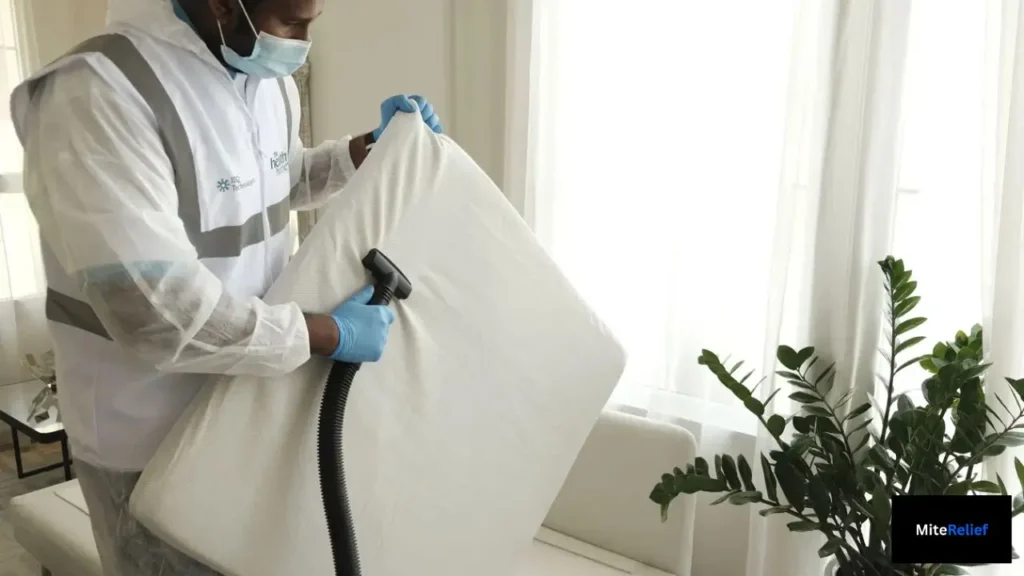
Your sheets touch your skin all night. But the fabric alone does not tell you if sheets are good for a dust mite allergy. Wash care, weave, and comfort all matter too.
If you want the best bed sheets for dust mite allergies, there is no single winner fabric. The right choice depends on a few features working together, not just the name on the tag.
This guide looks at the best sheets for dust mite allergies. We compare fabric, weave, and thread count. Then we cover duvets, duvet covers, and simple care steps you can start this week.
Do Dust Mites Live in Bed Sheets?
Sheets pick up skin cells and dust every night. These are the things dust mites feed on. Over time, sheets can hold dust mites and their allergens, even when you can’t see them.
This does not mean sheets are worse than a mattress. It just means they need regular care. A mattress stays in place, but a sheet does not have to.
Sheets have one big plus over a mattress. You can take them off and wash them. This makes washable dust mite sheets an easy first step for allergen control. Learn more about how dust mites survive in bedding, and about symptoms linked to dust mite exposure, if you want the full picture.
Which Sheet Material Is Best for Dust Mite Allergy?
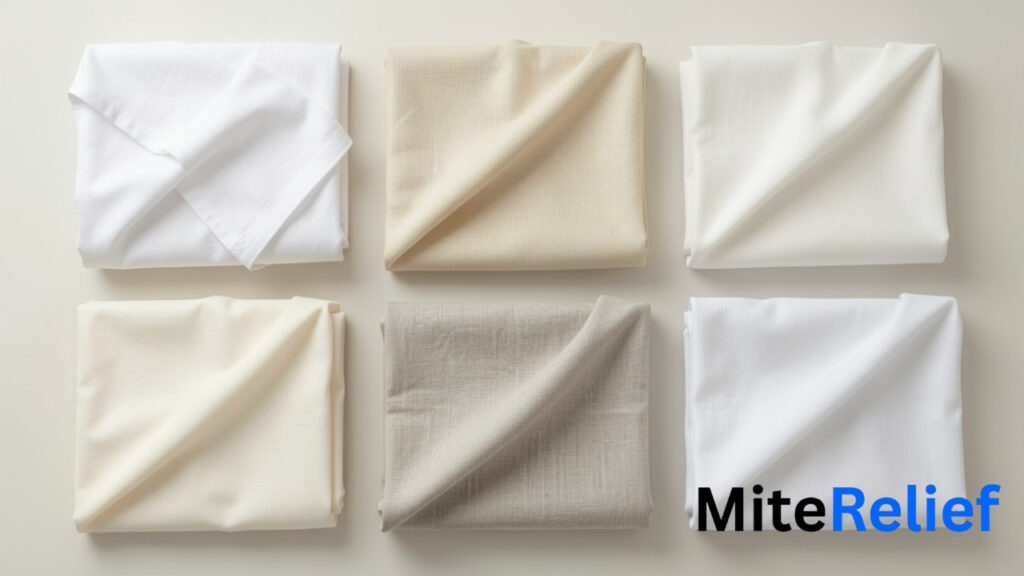
No single fiber is proven to be best for everyone with a dust mite allergy. What matters more is how the fabric is made and how you care for it. Here is how common choices compare:
| Material | Comfort | Wash care | Feel | Main limit |
| Cotton | Breathes well | Varies by product | Crisp or soft | Can shrink if not washed right |
| Bamboo-derived fabric | Soft and smooth | Depends on the label | Smooth | Often really viscose, rayon, or Lyocell |
| Microfiber | Light and easy-care | Product-dependent | Smooth | Quality varies a lot |
| Linen | Breathes well, lasts long | Care varies | Textured | Often costs more |
| Artificial materials (polyester or blends) | Lasts long, widely sold | Usually easy-care | Varies | May feel warmer for some people |
A few facts to keep in mind. Bamboo fabric is not automatically antimicrobial. Not every bamboo sheet can go through a hot wash.
Microfiber does not block allergens just because a tag says hypoallergenic. Artificial materials like polyester are not something to avoid outright; they just feel warmer to some people. No fabric type has been shown to fight mites just because of what fiber it is made from.
If a label says Lyocell or TENCEL, these come from wood pulp fibers. They often show up in bamboo-style sheets. They feel smooth, but how well they work still depends on the weave, not the fiber name alone. Read more about choosing allergy-friendly bedding for a wider look at mattress covers, sheets, and pillows together.
Does Thread Count Matter for Dust Mite Allergy?
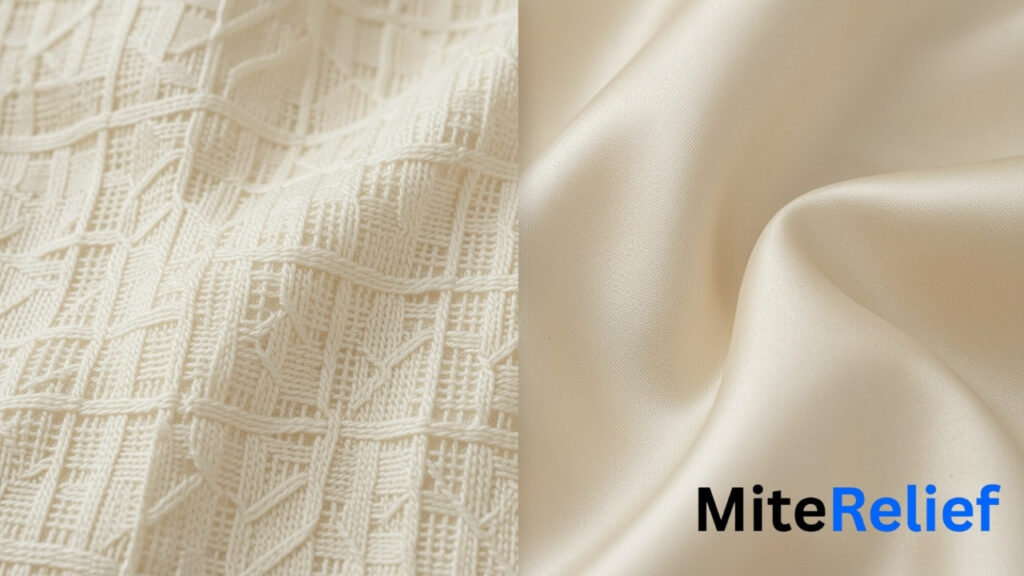
Thread count tells you about the fabric’s feel. It does not tell you much about stopping dust mite allergens. A 400 thread count sheet is not automatically better than a 200 thread count one. Brands can inflate the number using multi-ply yarns that don’t actually make the weave tighter.
What matters more is the weave and how the fabric is finished. A tight, plain weave called percale feels crisp and cool. It can feel and breathe very differently from a smoother weave, even with a similar thread count, so trust your hands more than the label.
Lab studies on special barrier fabrics found that very tightly woven cloth can block dust mite allergens well. This research is about specialty allergen-barrier fabric, not regular store-bought sheets. It’s a helpful fact about hypoallergenic bedding for dust mites, but it’s not a reason to chase one exact thread count number.
What to Look for in Sheets for Dust Mite Allergy
Wash Care
Pick a fabric with wash instructions that fit your normal laundry routine. A sheet you dread washing won’t help much with allergy control, no matter how nice it looks.
Comfort
Comfort matters as much as allergen control. A sheet that feels too warm can hurt your rest, even if it’s easy to clean.
Weave
Percale is a tight, plain weave that feels crisp and cool. Other weaves, like microfiber and linen, each have their own feel and drape on the bed.
Water Handling
Some fabrics soak up water and dry faster than others. This is mostly a comfort factor. No single fiber has been shown to stop mites just by handling water well.
Skin Comfort
If you have sensitive skin, softer weaves can help lower irritation. This is worth testing for yourself, since skin needs are different for everyone.
Durability
Hot washing is good for allergen control, but it wears down fabric faster than gentle care. A well-made sheet can handle this routine better over months of regular use.
Textile Standards
You may see the OEKO-TEX STANDARD 100 label on bedding. This label means the textile was tested for certain harmful chemicals. It does not test for or prove dust mite protection.
How Often Should You Wash Sheets for Dust Mite Allergy?
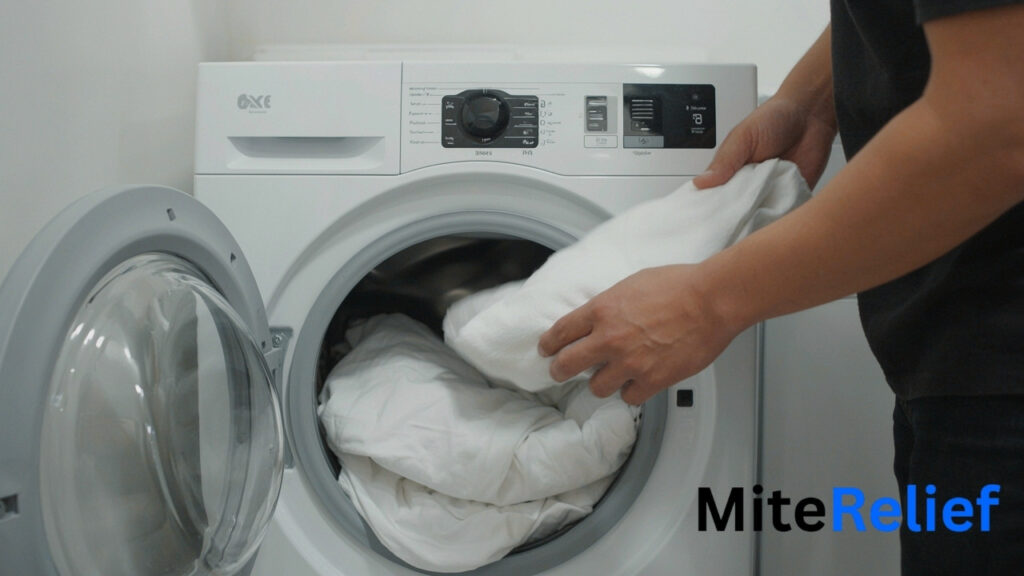
Wash sheets weekly using the hottest safe setting your care label allows. Then dry them fully. AAAAI guidance on dust mite control supports weekly hot-water washing as part of allergen control. Always check your fabric’s care label and your home’s safe water setting.
Washing removes allergens from fabric even if the water is not hot enough to kill every mite. The scrubbing and rinsing action carries allergens away. Hotter water kills more mites, but only if the fabric allows it.
Read more in laundry options for allergen control and how heat affects dust mites.
How to Choose a Comforter or Duvet for Dust Mite Allergy
Picking the best comforter for dust mite allergy comes down to care, not just the fill type. Synthetic fills are usually easy to wash and dry fully at home. Down, feather, and wool fills can work well too, if you clean them the right way and use a washable cover.
Wool needs gentler washing than synthetic fill, so always check the label first. Judge any comforter using these points:
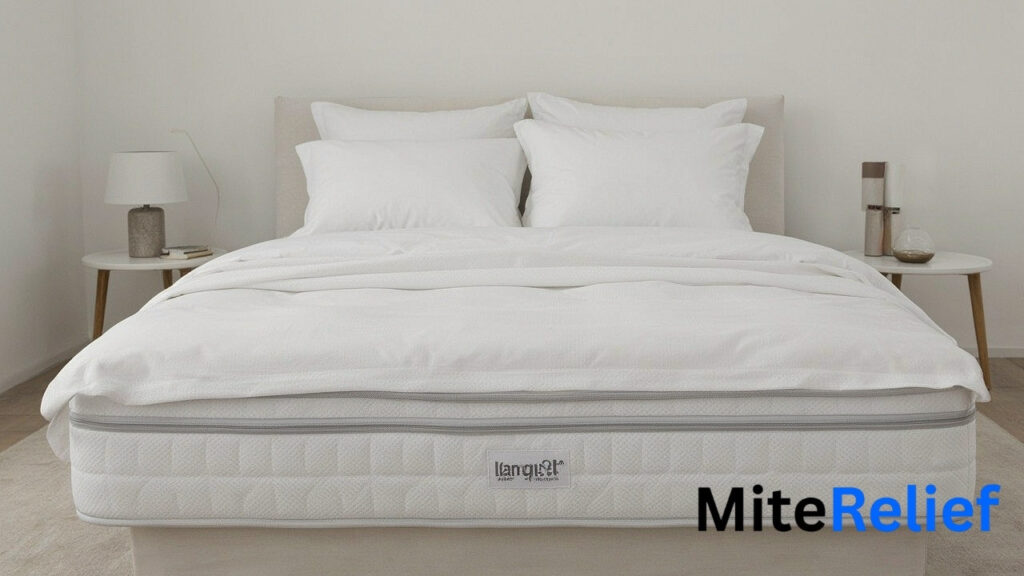
- Wash care and dry time.
- Care-label instructions
- Weight and warmth
- Comfort
- Whether it fits a washable cover or allergen-proof case
There is no single right warmth level for every home. Your comfort and personal taste both matter. If you’re also updating your pillow, check out Choosing a pillow for allergy sufferers for more tips.
How to Choose an Allergy Duvet Cover
A regular duvet cover is a washable outer layer. It protects the comforter and makes wash day easier. This is different from a special allergen-proof mattress or pillow case, which is built as a true allergen barrier.
When you shop for an allergy duvet cover, look for a good fit, a secure closure, comfortable fabric, clear wash instructions, and strong seams.
If a cover claims to block mite allergens, check if that claim has real, independent test proof behind it. OEKO-TEX alone does not prove dust mite protection.
Lab tests on allergen-barrier materials show that tightly woven, special fabric can differ a lot from regular cotton bedding. This matters when you compare a normal duvet cover to a true encasement. See protecting the mattress with an encasement to learn more.
A few habits also help control allergens near your bed. Wash your bedding weekly. Keep indoor water levels in check. Cut down on dust-collecting clutter near your bed. Read simple habits that reduce allergen buildup and keep indoor water levels under control for more tips.
Frequently Asked Questions
Are bamboo sheets good for dust mite allergy?
They can feel soft and handle water well, depending on how the fabric is made. Check if the product is really viscose, rayon, Lyocell, or another bamboo-based fiber. Follow its care label instead of assuming it fights mites on its own.
Does washing sheets in cold water remove dust mites?
Washing removes dust and allergen bits from fabric even when the water is not hot. Hot water kills more mites, but always follow your fabric’s care label and your home’s safe water setting.
What thread count is best for dust mite allergy?
There’s no proven thread count that works best for everyone. Weave, wash care, and comfort matter more than the number on the package. This is true whether you’re picking the best sheets for allergies or a special barrier product.
Is a down duvet bad for dust mite allergy?
Not on its own. What matters is if you can clean it well, dry it fully, and protect it with a washable cover or allergen-proof case.
How often should you replace bed sheets for dust mite control?
There’s no fixed two- or three-year rule. Replace sheets when they wear out, get damaged, feel uncomfortable, become hard to clean, or when the maker says to.
What to Read Next
- Best Bedding for Dust Mites: Covers, Sheets & Pillows
- Best Pillow for Dust Mite Allergy: Complete Guide
- Best Dust Mite Mattress Encasements That Actually Work
Conclusion
The best bed sheets for dust mite allergies are not just about one fabric or one thread count. Pick bedding that feels good, that you’ll actually wash on a regular schedule, and that’s easy to care for. For mattresses and pillows, tested allergen-proof cases still play a key role in full allergen control. Sheets and duvet covers work best alongside these tools, not instead of them.
This article is for general information and is not medical advice. If your allergy, asthma, or breathing symptoms don’t improve or get worse, talk to a qualified healthcare professional.
Medical Disclaimer
This content is for general informational purposes only and is not a substitute for professional medical advice, diagnosis, or treatment. Individual health needs can vary, so speak with a qualified healthcare professional about allergies, asthma, skin reactions, medications, or other symptoms. Seek prompt medical care if symptoms are severe, persistent, or getting worse

Umar Farooq is the founder of MiteRelief, a resource for dust mite control and allergy prevention. After battling allergen sensitivity, he started creating research-backed guides that turn complex indoor air quality science into practical, affordable solutions anyone can implement.