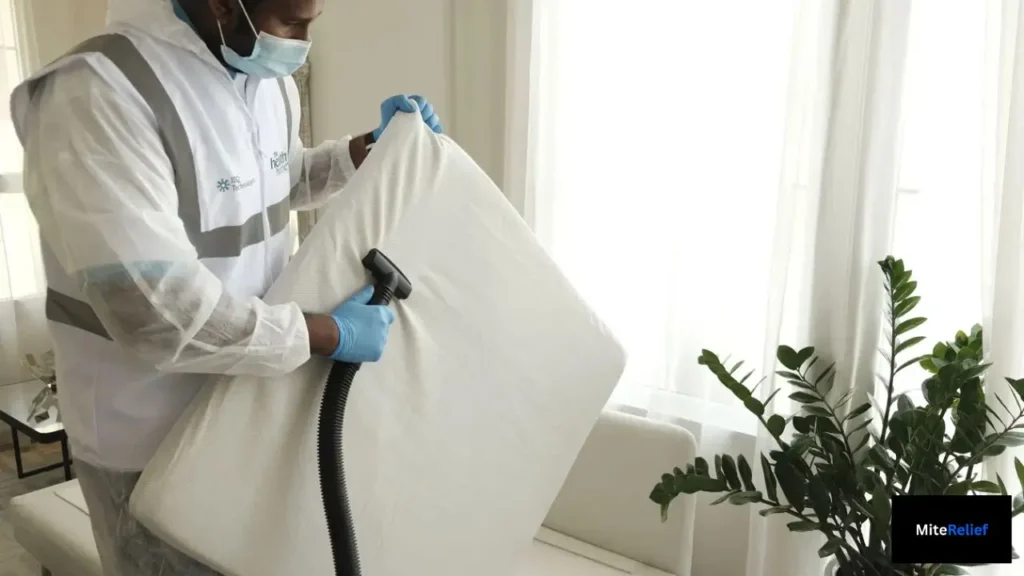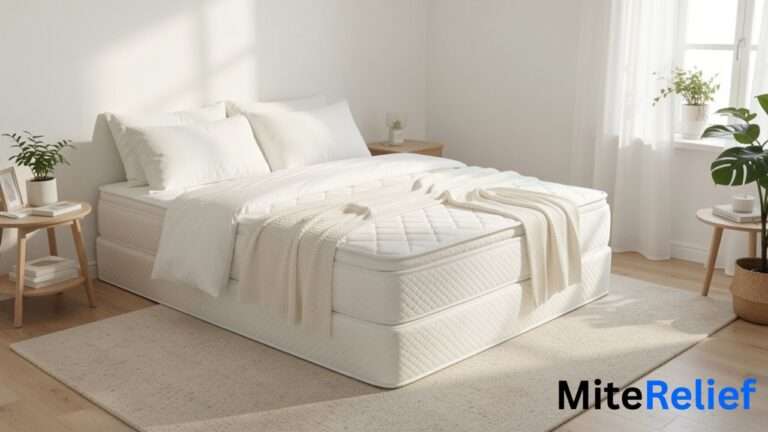
A mattress encasement is honestly the single biggest upgrade you can make if dust mites are ruining your sleep. But only if you buy the right one. Walk into any bedding aisle and you’ll see vague promises everywhere, hypoallergenic, protective, breathable, yet very few products actually seal a mattress the way a genuine dust mite mattress encasement does. This guide breaks down what an encasement is, how it differs from a regular protector, what to check before you buy, and which features matter most if you’re dealing with sneezing, itchy eyes, or asthma triggered by dust mite exposure. We’ll also look at a dust mite allergy mattress cover option along the way, because the terminology gets confusing fast, even for people who’ve been dealing with allergies for years.
What is a dust mite mattress encasement and how does it work?
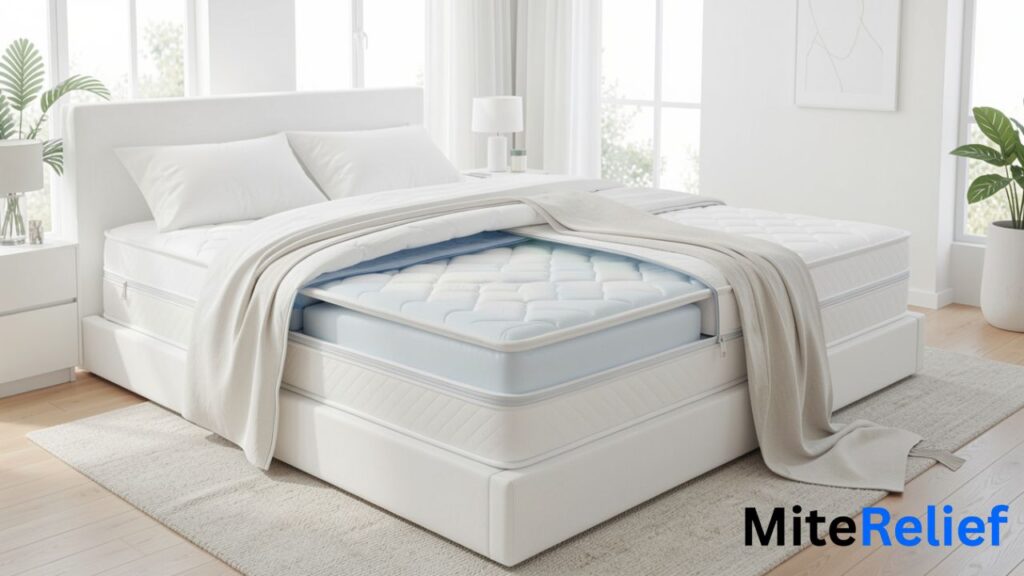
So what actually is a dust mite encasement, and why does it work better than a normal cover? Encasements fully zip around the entire mattress, top, bottom, and all four sides. That’s really the whole trick. Unlike a fitted cover that only protects the top surface, an encasement creates a complete physical barrier around the entire mattress, not just the part you sleep on.
Here’s the part people miss. Mites already living inside the mattress can’t escape once it’s zipped shut. And mites living elsewhere in the bedroom, in the carpet, on the pillow, can’t get back in either. It’s a closed system, more or less. Over time the trapped mites and their allergen particles die off and stay sealed away from your skin cells and the air you’re breathing at 3am. If you want the background first, this piece on reducing dust mite exposure covers the basics before you even get to encasements.
Important:
An encasement reduces allergen exposure, it does not kill dust mites on contact. Regular washing and cleaning of your bedding is still required.
Encasement vs mattress protector vs mattress cover, what’s the difference?
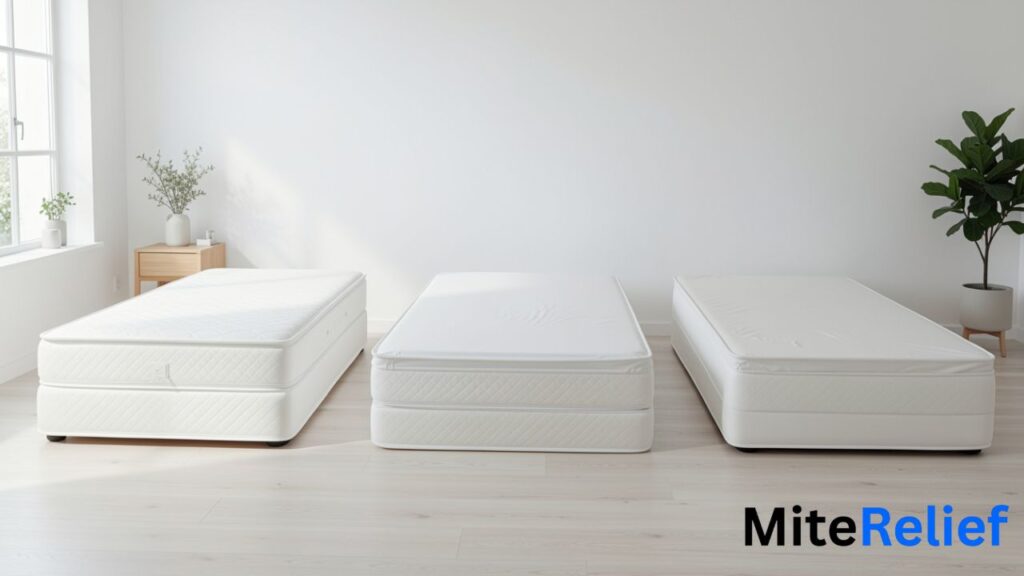
This is where people get tripped up, and the marketing honestly doesn’t help much. An encasement has a full zip around seal, top to bottom, this is the version you actually want for dust mite control. A mattress protector is usually fitted and only covers the top, fine against spills, but not much use against mites hiding underneath. Then there’s plain old cover, which is really just a marketing word, some covers fully encase, some don’t, so read the product description carefully rather than trusting the name.
If you’re specifically shopping for a dust mite allergy mattress cover, don’t trust the word cover on its own. Only a true dust mite proof mattress encasement, with a zipper running the full perimeter, gives allergy sufferers the seal they actually need. For a wider look at bedding choices, this guide on choosing allergy-friendly bedding is worth a read too.
| Type | Coverage | Best For |
|---|---|---|
| Encasement | Full zip around, all sides | Dust mite allergy control |
| Mattress Protector | Top only, fitted | Spills, moisture, general wear |
| Mattress Cover | Varies, always check | General comfort, not allergy-specific |
What to look for when buying a dust mite mattress encasement
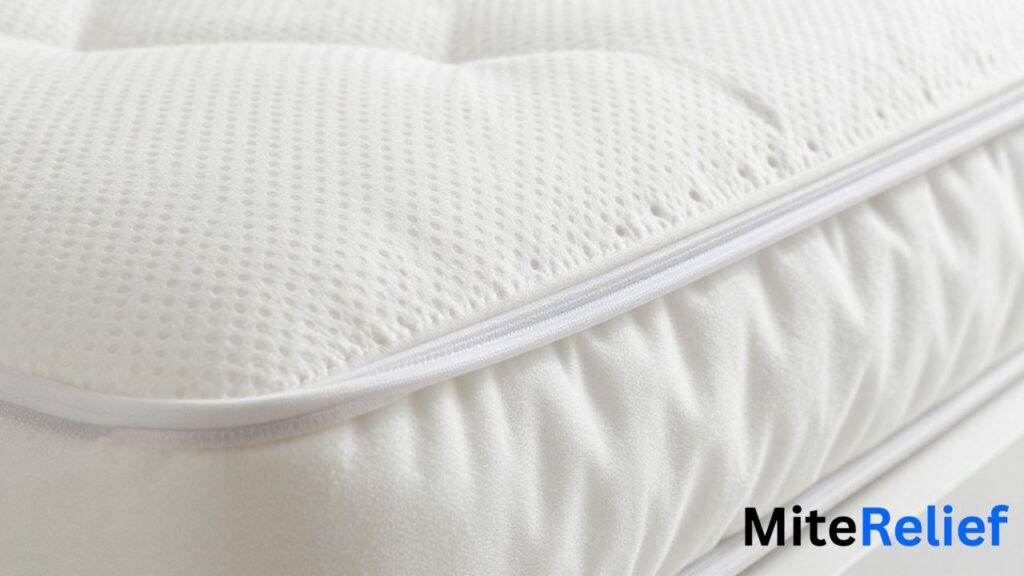
Not all encasements are created equal, not even close. Pore size is the big one. Look for anything under 6 microns, that’s small enough to block dust mite allergen particles from passing through the fabric at all. Certifications matter too, OEKO-TEX or Allergy UK labels mean the product has actually been tested in a lab, not just advertised on a box.
You’ll also want something washable at 60°C, lower temperatures don’t reliably kill dust mites during a normal wash cycle. A durable zip that lies flat matters more than people expect too, a bulky or crooked zipper digs into your side all night, trust me. And go for breathable microfibre over plastic or vinyl where you can, plastic traps heat and just feels unpleasant to sleep on. This is really the core of any solid allergy mattress encasement decision, everything else is secondary.
Buying checklist: full zip around all sides, under 6-micron pore size, OEKO-TEX certified, washable at 60°C, quiet and crinkle-free fabric, fits your mattress depth, and a durable, flat-lying zipper.
Full encasement vs partial coverage, which is better?
Full encasement wins, pretty much every time, for actual dust mite control. Allergens don’t stay put on one surface, they come from all sides of the mattress, especially the underside, where moisture and skin cells build up over years of use. A partial or fitted cover leaves that whole area exposed, which kind of defeats the purpose if allergy relief is the actual goal here.
The cost difference between full and partial is usually small, a few dollars at most. So there’s rarely a good reason to go partial unless spills are your only concern. If dust mites are the real issue, and not just general protection, spend the little bit extra and get a full mattress protector or encasement instead of the cheaper option.
Full encasement.
Pros: complete barrier, best allergen protection, also helps against bed bugs, and usually comes with OEKO-TEX or Allergy UK certification for added peace of mind.
Cons: takes a little longer to install, slightly pricier upfront, and needs monthly washing at 60°C to stay effective.
Partial cover.
Pros: lower cost, quicker to fit, and easier to remove for a quick wash.
Cons: leaves sides and bottom exposed, noticeably less effective for allergy relief, and offers no protection against bed bugs since the underside stays open.
Features to compare before choosing a dust mite mattress encasement
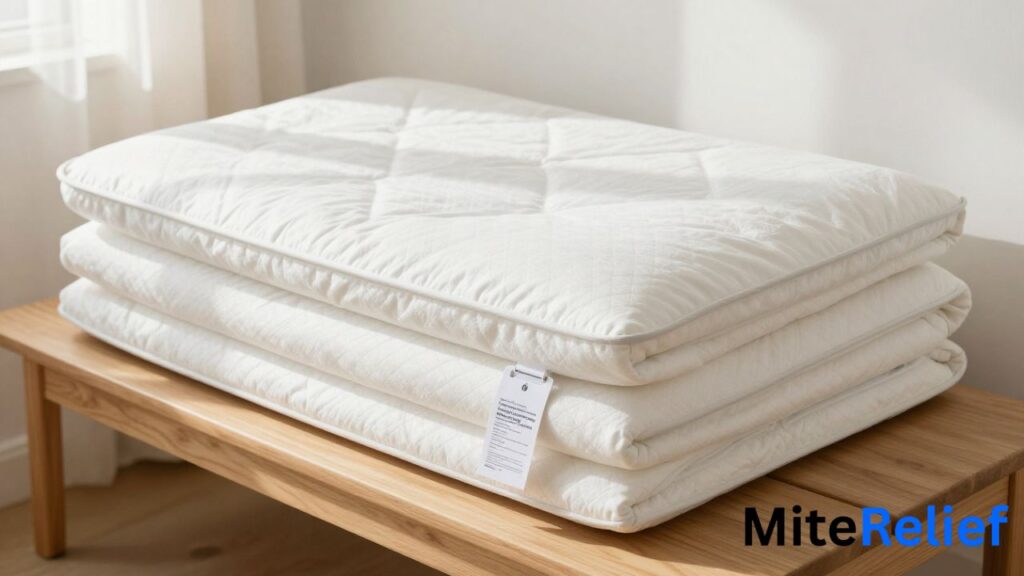
Once you’ve narrowed things down to a few options, this is where you actually compare them side by side rather than guessing. Pore size tells you how fine the filtration really is. Material affects comfort and durability both, cotton blends breathe better, synthetic microfibre is often more waterproof. Zipper closure quality is easy to overlook, until you’re stuck with one that snags every single night for the next two years.
Waterproofing isn’t strictly required for dust mite control, but it’s a nice bonus if spills or accidents are also a concern in your house. Certifications, again, OEKO-TEX or similar, back up any allergen claims with real testing instead of marketing language. And warranty length says a lot about how long the manufacturer actually expects the thing to last, a 10-year warranty usually means stronger stitching and better seams than a 1-year one does. If you’re hunting for the best dust mite mattress protector, run every option through this list before you buy.
| Feature | What to Check |
|---|---|
| Pore Size | Under 6 microns for effective allergen blocking |
| Material | Cotton blend or breathable microfibre preferred |
| Zipper Closure | Full perimeter, flat-lying, snag-resistant |
| Waterproofing | Optional, useful if spills are also a concern |
| Certifications | OEKO-TEX, Allergy UK, or similar |
| Warranty | Longer warranty usually means better build quality |
How to fit a mattress encasement correctly
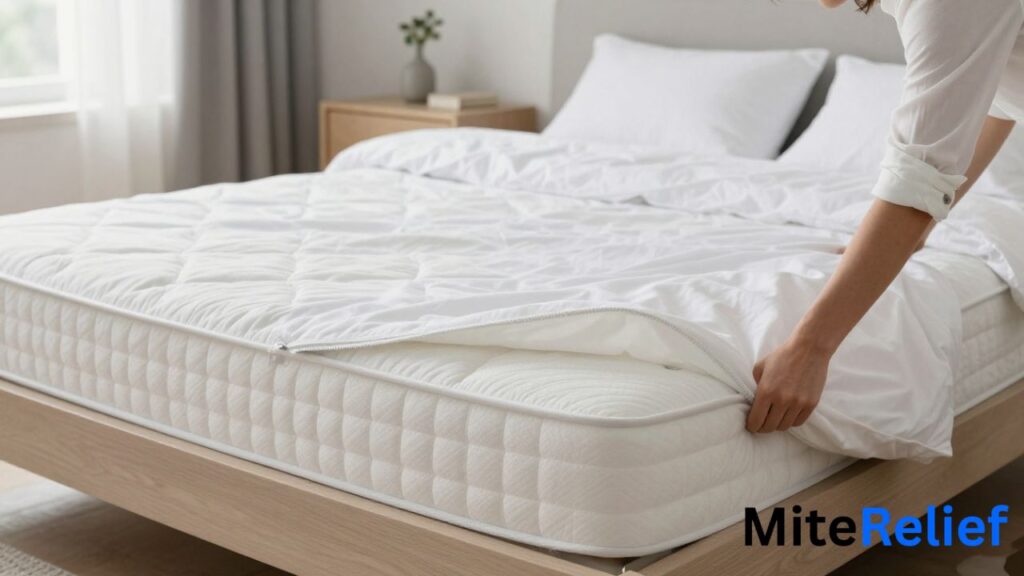
Fitting one properly makes a bigger difference than most people assume. Place it directly onto the bare mattress, before you add sheets or a topper on top. Zip it fully closed, all the way, even a small gap left at the end kind of defeats the whole point of buying one in the first place.
Double check the depth matches your mattress. Standard depth and deep or pillow-top mattresses need different sizing, and a too-tight encasement tends to pop back open eventually, usually at the worst possible moment. Pull the fabric taut before laying your fitted sheet over it, this keeps everything from bunching up under you at 2am. If it’s been a while since your mattress had any real attention, start with deep cleaning your mattress first before fitting anything new over it.
Common mistakes to avoid: buying the wrong mattress size or depth, not fully closing the zipper, and placing the encasement over existing bedding instead of directly on the mattress.
How often to wash your mattress encasement
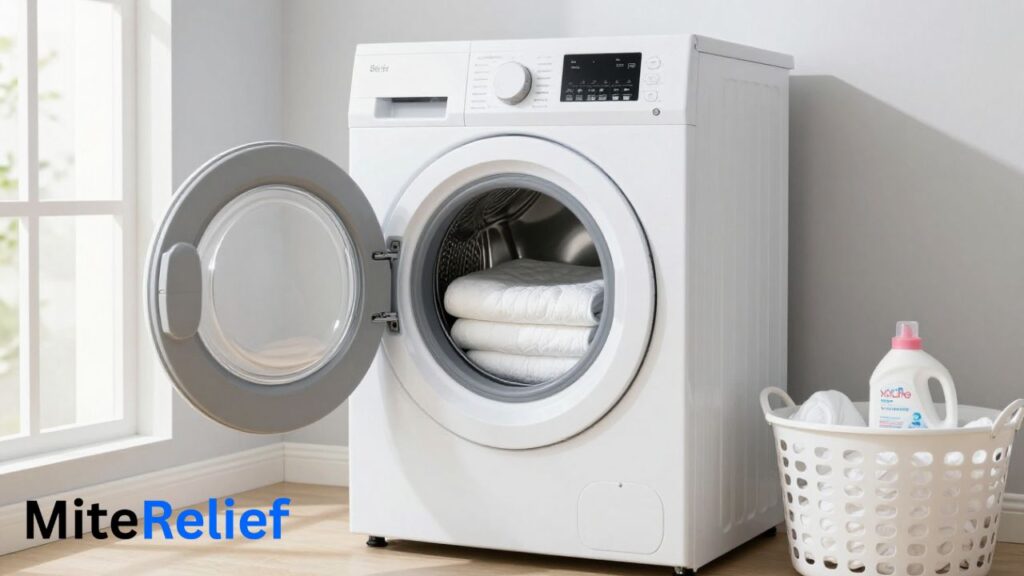
Monthly washing at 60°C is the general rule, allergens build up on the outer surface over time even when you can’t see or smell anything different. Don’t skip a wash just because it still looks clean, dust mite allergen isn’t visible to the naked eye anyway, so looks fine doesn’t really mean anything here.
Tumble dry on medium heat, and avoid ironing directly over the zipper, it can warp the teeth or melt the fabric nearby. Most encasements should be replaced every 2 to 3 years even with good care, since the fabric and zipper both wear down with repeated washing. For more detail on this, see our guide on washing bedding to reduce allergens.
Care tips: close the zipper fully before washing, follow the care label instructions, avoid bleach unless the label specifically allows it, and wash separately from other bedding if possible.
Frequently asked questions
Do mattress encasements really work for dust mite allergy?
Yes. A properly fitted encasement with a fine pore size significantly cuts down allergen exposure, though it works best alongside regular washing rather than on its own.
Can you put a mattress encasement on an old mattress?
Yes, and it actually helps quite a bit, it traps any existing mites inside so they can no longer reach you.
What is the best pore size for a dust mite mattress cover?
Look for under 6 microns. That size blocks most dust mite allergen particles effectively without cutting off breathability too much.
How long does a dust mite mattress encasement last?
Generally 2 to 3 years with regular washing and reasonable care.
Is a waterproof mattress encasement also dust mite proof?
Not always. Waterproofing and dust mite protection are separate features, always check the pore size separately rather than assuming.
Can bed bugs get through a dust mite mattress encasement?
A full encasement also helps trap bed bugs, though it isn’t a guaranteed pest control solution by itself, more of an added benefit.
Do I need to encase the box spring too?
If dust mites or bed bugs are a concern, yes, the box spring can harbor allergens just as easily as the mattress itself, so it’s worth the extra piece.
What to read next:
- Best Bedding for Dust Mite Allergies
- How to Deep Clean Your Mattress for Dust Mites
- Best Laundry Detergents & Additives for Dust Mites
- How to Prevent Dust Mites: 9 Habits
Conclusion
Choosing the right dust mite mattress encasement really comes down to a handful of things, full coverage, a fine pore size, and proper certification. Skip the vague hypoallergenic labels and check the actual specs before you buy anything, because most marketing language on these products doesn’t mean much on its own. A true dust mite encasement seals the whole mattress, not just the top, and that’s the difference between a dust mite proof mattress encasement and a basic dust mite mattress protector that only handles spills.
No dust mite allergy mattress cover works in isolation either, wash it monthly, keep the rest of your bedding clean too, and treat it as one part of a bigger routine rather than a one-time fix. If you’re comparing a few dust mite allergy bed covers side by side, go back to the checklist earlier in this guide, pore size, certification, wash temperature, zipper quality. Once it’s fitted correctly and washed on schedule, a good allergy mattress encasement becomes one of the simplest, most effective tools for keeping allergy symptoms under control, night after night, without much effort on your part.
Medical Disclaimer
This content is for informational purposes only and is not a substitute for professional medical advice, diagnosis, or treatment. Always consult a qualified healthcare provider regarding persistent allergy symptoms, skin reactions, asthma, or breathing difficulties. Never delay or disregard seeking professional medical advice because of information you have read on this website.

Umar Farooq is the founder of MiteRelief, a resource for dust mite control and allergy prevention. After battling allergen sensitivity, he started creating research-backed guides that turn complex indoor air quality science into practical, affordable solutions anyone can implement.