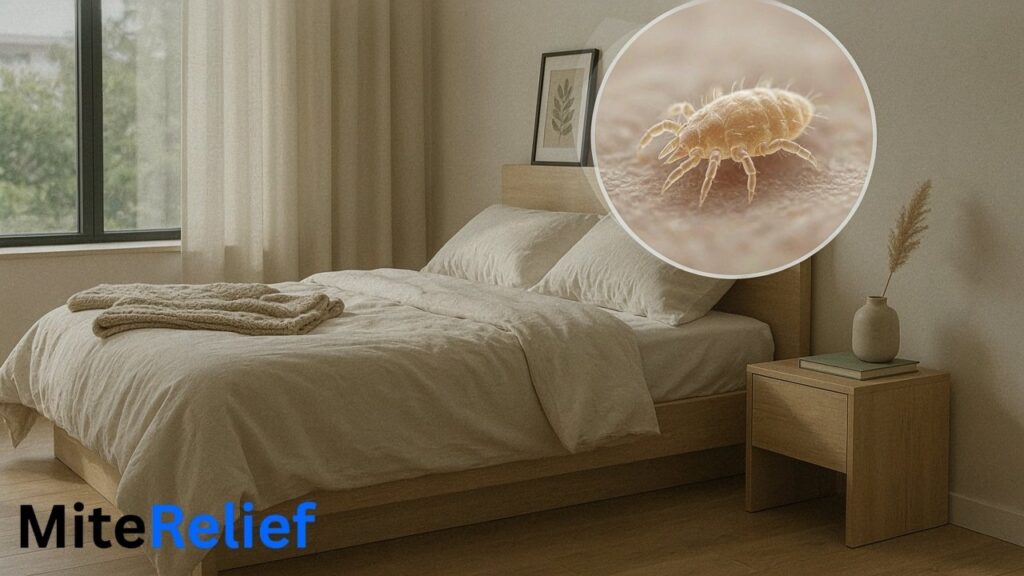
If dust mite allergies are wrecking your sleep, or your focus at work, or, honestly, just your mood in general, there’s actually good news here. Real treatment options exist. Not just vacuum more advice, though sure, that helps too. You already know you’re dealing with the sneezing, the itchy eyes, and that nose that never fully clears no matter what. So let’s skip the intro fluff. What you want is the best allergy medicine for dust mites that actually does something.
This article walks through the medical side. Antihistamines, nasal sprays, eye drops, and for some people, immunotherapy, which is a bigger commitment but worth knowing about. We’ll also touch on how to treat dust mite allergy day to day, not just the theory of it.
Two approaches to treating dust mite allergy
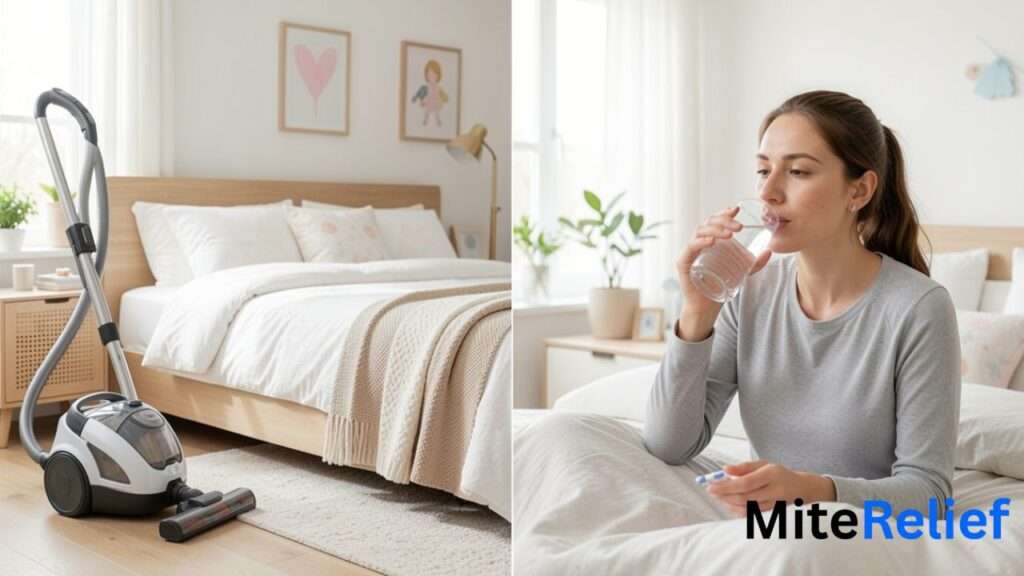
Okay so there are basically two roads here. One is cutting down your exposure in the first place, hot-water washing your bedding, using allergen covers on the mattress, and keeping humidity in check. That’s a whole topic on its own, and we’ve actually covered the symptom side of things separately in our piece on dust mite allergy symptoms, worth a read if you’re still not 100% sure what’s causing your reaction.
The other road, and this is what we’re focused on today, is medical treatment. Managing how your body reacts once it’s already been exposed. Because here’s the thing nobody tells you: it’s not the mites themselves that trigger the allergy; it’s their droppings. Gross, I know. If you haven’t confirmed you actually have dust mites at home, it might be worth testing your home for dust mites before spending money on medication you might not need. This piece sticks to approach two. Sprays, pills, drops, and the longer game of immunotherapy.
Best allergy medicines for dust mites

Antihistamines are where most people start, and honestly, for good reason, they’re fast and they’re everywhere. Cetirizine, loratadine, and fexofenadine. You’ve probably seen these under names like Claritin or Alavert at the pharmacy. What they do is block histamine, the chemical your body dumps out when it thinks it’s under attack, which is what causes all that sneezing and itching and general misery.
Most of these are over the counter now, no prescription needed. There are stronger prescription versions too, but for dust mite reactions specifically, the regular OTC stuff usually does the job fine. One thing to know, older antihistamines can make you drowsy. Newer ones like loratadine are marketed as non-drowsy, which is great for daytime. At night? Doesn’t really matter. Some people actually like the slightly sedating ones because, bonus, it helps them sleep through the itch.
Here’s a tip a pharmacist once told me, sort of: take these consistently rather than only when you’re already suffering. Dust mite exposure is constant; it’s not seasonal like pollen, so a daily habit works a lot better than reaching for a pill in a panic at 2am.
Nasal sprays and decongestants for dust mite allergy

If your nose is the main battlefield, stuffed up, running, or whatever, antihistamines alone might not be enough. This is where nasal corticosteroid sprays come in, and they’re weirdly underused given how well they work. Fluticasone- and triamcinolone-based sprays, sold as things like Flonase Allergy Relief or Nasacort Allergy 24hr Nasal Spray, calm the inflammation right at the source, inside the nasal passages themselves.
Now here’s the catch. These take a few days, sometimes closer to a week, to build up their full effect. Don’t spray it once and give up because it’s not working. Give it time. Nasonex 24HR and Patanase are other brand names you might hear a doctor mention, and there’s also Omnaris Nasal Spray, which uses ciclesonide instead.
Decongestant sprays are a totally different animal. Fast acting, sure, but only use them for a few days max. Go longer and you risk rebound congestion, where your nose gets even more blocked once you stop. Not a fun cycle to get stuck in. If you’d rather skip medication entirely for daily use, saline rinses just physically flush the allergens out, no drugs involved, and a lot of people swear by them.
Dust mite allergy eyes, eye drop treatments
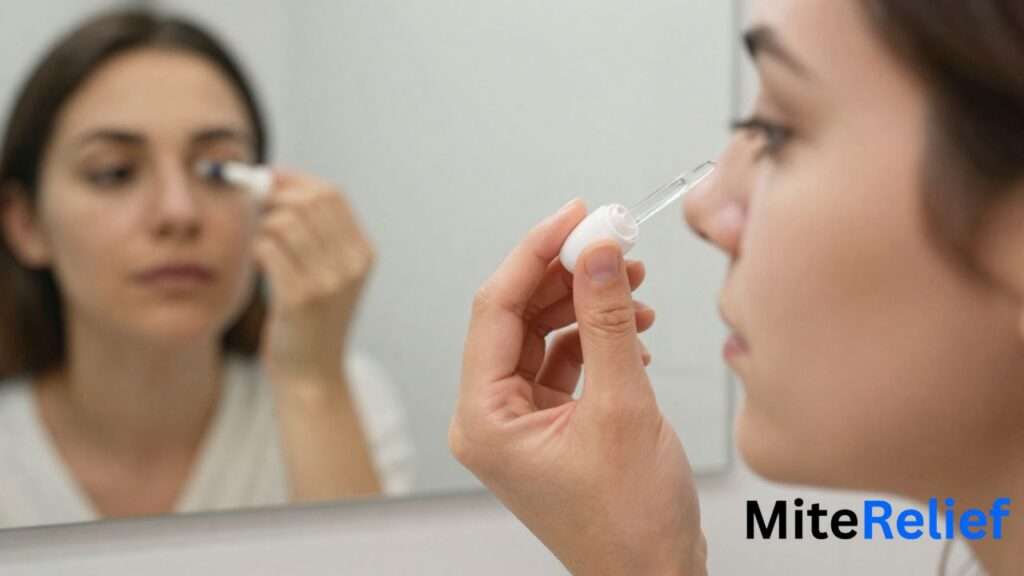
Nobody really talks about this part enough. Allergic conjunctivitis, that itchy, watery, sometimes puffy-eye thing, shows up constantly alongside dust mite allergy. So if your nose feels fine but your eyes are still driving you up the wall, this section’s for you.
Antihistamine eye drops, ketotifen or olopatadine for example, hit the itching directly and act pretty fast. Mast cell stabilizer drops work differently; they head off the reaction before it fully starts, which makes them better suited for ongoing, preventive use rather than a quick fix. And if dryness is part of the mix too, which happens, lubricating drops help without adding any actual medication.
When’s it time to actually see an eye doctor instead of just grabbing drops at the pharmacy? If your eyes are swollen shut in the morning, or there’s discharge that looks more infection-y than allergy-ish, or drops just haven’t helped after a couple weeks, stop guessing and go see an ophthalmologist.
What is immunotherapy for dust mite allergy?

Right, so everything above is symptom management. Immunotherapy is different; it actually goes after the root cause instead of just papering over the symptoms. There are two main forms. Subcutaneous immunotherapy, aka allergy shots, means regular injections at the doctor’s office. Sublingual immunotherapy is newer and, honestly, more convenient, with tablets or drops under the tongue, and often doable from home.
Odactra is one specific sublingual tablet made for dust mite allergy, and for a lot of people who didn’t want weekly needle visits, it’s been a genuine game changer.
The whole idea is gradual desensitization. Small amounts of the allergen extract, increasing slowly over time, get introduced into your system, and eventually your immune system just stops overreacting so hard. This isn’t quick, though; we’re talking three to five years of sticking with it for lasting results. It’s a real commitment, not something you start on a whim.
So when does a doctor actually push someone toward this? Usually when symptoms won’t quit, when the pills and sprays aren’t cutting it anymore, or when someone’s just done relying on daily medication year after year. It’s also, right now, the closest thing to an actual cure for this kind of allergy.
Children and dust mite allergy medicines: What’s safe?
Parents ask about this constantly, and fair enough, nobody wants to guess with their kid’s meds. The good news is several options are approved for younger children. Loratadine and cetirizine are both approved from age 2, though the dosing is obviously scaled down from the adult amount. Nasal sprays tend to have a higher bar; most aren’t approved until around age 6.
Dosing really does shift with age and weight here, so this is not the place to eyeball it. Check the label carefully every time, and if there’s any doubt, a quick call to the pediatrician or your pharmacist beats guessing. Kids process medication differently than adults do, so don’t assume half the adult dose is safe just because it sounds logical; it’s usually not formulated that way at all.
People forget the bedroom itself is half the battle. You can be popping the right antihistamine, spraying the right nasal spray, doing everything a doctor told you, and still wake up with puffy eyes because, well, your pillow’s basically been a mite colony for the last three years. Nobody checks pillows. A hot water wash for the sheets once a week helps a ton, and swapping pillows out every year or so, That’s not something most people even think about until someone points it out. It’s the same story with carpets or stuffed animals if there are kids around; allergens just quietly build up there, and nobody notices till the sneezing gets worse. It’s not about scrubbing your house into some sterile lab situation either. Just don’t let your pillow undo whatever the medicine’s trying to do at night. Small stuff, done regularly, beats one big cleaning spree every few months.
Medicines and home control equal best results
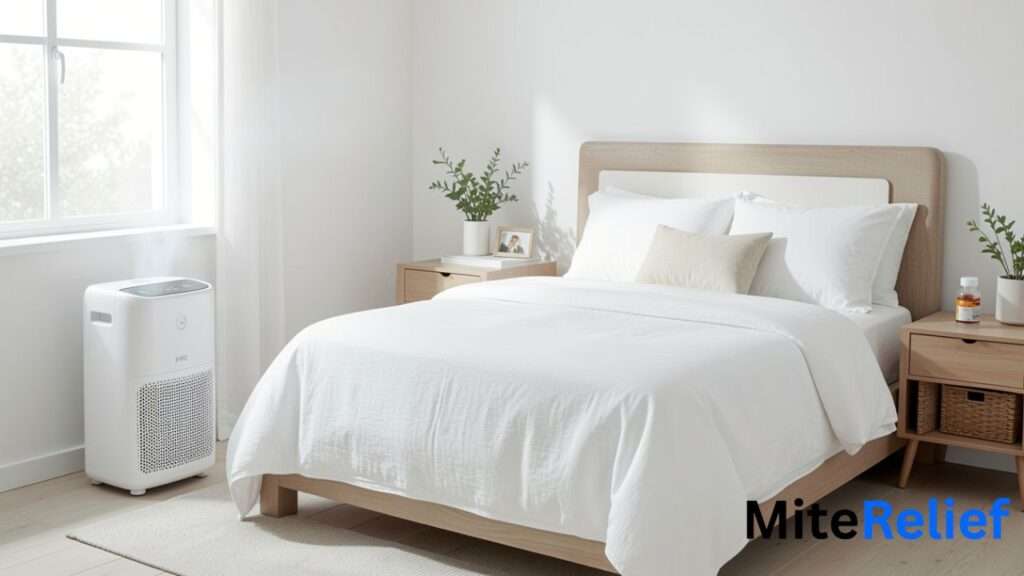
Here’s something that gets glossed over a lot. Medicine by itself won’t fix everything. Cleaning by itself won’t either. They actually work best together, which sounds obvious written out like that, but people forget it constantly. Medication deals with the symptoms your body’s already having right now, while keeping indoor humidity under control and cutting allergen exposure lowers how much your immune system even has to react to in the first place.
Think about it this way: if you’re taking antihistamines every day but still sleeping on the same mite-loaded pillow night after night, you’re basically running on a treadmill. Pair your treatment plan with how to prevent dust mite habits, especially around bedding, and over time you’ll likely need less medication, not more.
Also, and this one’s easy to miss, allergies tend to creep up slowly if you keep brushing off the small stuff. A sniffle here, a stuffy morning there, and before you know it, it’s daily congestion, or worse, you’re getting sinus infections that just won’t quit. So if you catch yourself reaching for meds way more than before, or the usual dose isn’t really cutting it anymore, that’s not really a take two instead of one situation. That’s your body telling you it’s time for an actual doctor visit, not a bigger dose you picked yourself. An allergist can run tests and tell you exactly what’s setting you off and how badly, which honestly saves a lot of the guessing-game phase most people go through with random pharmacy meds. It’s a short appointment. Worth it before things get unbearable, not after.
Frequently asked questions
Can dust mite allergy be cured permanently?
Not exactly cured, but immunotherapy gets closest. A full course can mean significantly fewer symptoms, sometimes for years after treatment even ends.
Which antihistamine is best for dust mite allergy?
It honestly depends on the person. Loratadine or fexofenadine for daytime since they’re non-drowsy and cetirizine if you want something a bit stronger. Ask your pharmacist what fits your routine.
How long does it take for allergy medicine to work?
Antihistamines usually kick in within the hour. Nasal sprays are slower; give them a few days to a week before judging whether they’re working.
Can I take antihistamines every day for dust mites?
For most people, yes, since exposure is pretty much constant rather than seasonal. It’s still worth checking with your doctor if you’re on it long-term or mixing it with other meds.
Is there a dust mite allergy vaccine?
Not a vaccine exactly, but sublingual immunotherapy tablets work in a similar spirit, training your immune system gradually instead of one single shot doing all the work.
What to read next
- Dust Mite Allergy Symptoms: How to Know If You’re Allergic
- How to Prevent Dust Mites: 9 Habits That Actually Keep Them Away
- How to Test for Dust Mites at Home (Kits, Signs & DIY Checks)
Conclusion
Look, a dust mite allergy kind of creeps up on you, doesn’t it? You don’t wake up one day and think, Ah yes, dust mites. It’s more like your sleep gets worse for no obvious reason, your eyes feel gritty by lunch, and eventually you piece it together; maybe a doctor mentions it, or maybe you’re googling symptoms at midnight like the rest of us. Thing is, there’s no single fix that works for everyone. Some people take one daily antihistamine, and that’s genuinely the end of it, done, no more thinking about it. Other people need more, like the nasal spray on top or eye drops, or they eventually look at immunotherapy and decide years of commitment beats years of daily symptoms. If you’re not sure where to start, just start. Try one thing for a week or two, see how it goes, and adjust from there. And don’t forget the home side either; meds work better when they’re not up against the same mite-loaded pillow every night. Talk to a pharmacist if you’re stuck.
Medical Disclaimer
This content is for informational purposes only and is not a substitute for professional medical advice, diagnosis, or treatment. Always consult a qualified healthcare provider regarding persistent allergy symptoms, asthma, or breathing difficulties. We assume no liability for any health outcomes resulting from the use of this information.

Umar Farooq is the founder of MiteRelief, a resource for dust mite control and allergy prevention. After battling allergen sensitivity, he started creating research-backed guides that turn complex indoor air quality science into practical, affordable solutions anyone can implement.