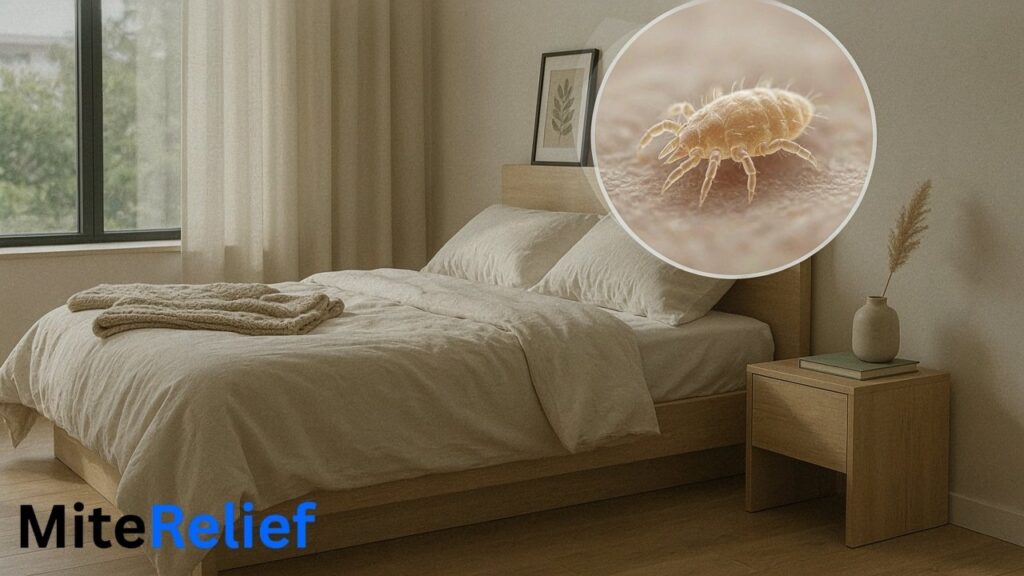
So your dog won’t stop scratching.
No fleas, no ticks, nothing obvious. You’ve checked and looked carefully, and still, the scratching just keeps going. Most people assume dry skin or a diet issue. But here’s what almost nobody thinks to check: dust mites.
Dog dust mite allergies are far more common than people realize, and they almost always go unnoticed, not because they’re hard to treat but because nobody thinks to look that far. That’s the real problem here. The symptoms don’t scream dust mites. They look just like a dozen other things: dry skin, seasonal pollen, food sensitivity, and even stress. dust mite allergies in dogs & cats So owners spend months treating the wrong problem entirely. Trying new shampoos, switching foods, buying supplements. Meanwhile, the actual cause is sitting right there in the bedding, the carpet, and the couch cushions.
This guide breaks it all down. What’s actually happening, what to look for, and what genuinely helps. Starting from the basics.
Can Pets Really Be Allergic to Dust Mites?
Yes, genuinely. This isn’t a niche thing that only affects certain exotic breeds. Dust mite allergies sit right at the top of the list when it comes to environmental allergies in both dogs and cats. Vets see it constantly. The problem is it rarely gets identified early because the signs are so easy to chalk up to something else.
Now here’s the part that makes it worse than it sounds. Your pet sheds skin flakes all day, every day. That’s just biology. And dust mites, well, they love skin flakes. It’s basically their main food source. So your dog or cat isn’t just reacting to mites; they’re actively feeding them. The bedding your pet sleeps on, the sofa they curl up on, the carpet they lie across—all of it becomes a breeding ground.
If you want to understand more about how this starts, reading up on what are dust mites first makes a lot of sense. And honestly, the allergy symptoms linked to dust mites in humans and pets overlap more than most people expect, which is worth knowing.
House Dust Mite Allergy in Dogs

When dogs develop a house dust mite allergy, the main thing vets see is atopic dermatitis. Basically, that means chronic skin inflammation from repeated allergen exposure. It sounds clinical, but what it looks like in practice is a dog that just can’t seem to get comfortable. Always scratching somewhere. Licking at the same paw. Shaking their head way too often.
What separates dust mites on dogs from something like a pollen allergy is the timing. Pollen is seasonal. Spring comes, symptoms flare; winter arrives, and things calm down. But dust mites live indoors. They don’t care what month it is. So a dog dealing with a dust mite reaction is dealing with it in January just as much as in July. Year-round itching, no real breaks. That pattern alone is worth noting if you’re trying to figure out what you’re dealing with.
Certain breeds do show up more at the vet for this. Retrievers, bulldogs, terriers, setters. Breeds with known skin sensitivities tend to be more vulnerable. But that’s not a rule. Any dog can develop this. Breed just affects the odds, not the outcome.
Symptoms of Dust Mite Allergy in Dogs
The symptoms of dust mite allergy in dogs don’t arrive with a neon sign. A lot of what you see looks like everyday dog behavior at first. The difference is frequency and location. When it’s a dust mite issue, Dust Mite Allergies in Dogs & Cats you’ll notice the same spots getting hit over and over again, and nothing you do seems to fully fix it.
Things to actually watch for:
- Scratching or licking that keeps coming back, especially around the paws, belly, and ears
- Skin that looks red or irritated, and stays that way even after you treat it
- Patchy hair loss from constant licking or scratching at the same spots
- Ear infections that come back repeatedly, sometimes every few months
- Noticeably worse behavior after time spent on bedding or inside near carpeting
That last one matters. If your dog seems fine outside but starts scratching the moment they’re back on their usual sleep spot, the environment is the clue. It doesn’t lock in a diagnosis on its own. But combined with everything else, it’s the kind of pattern worth telling your vet about directly.
Dust Mites and Cats, What to Watch For
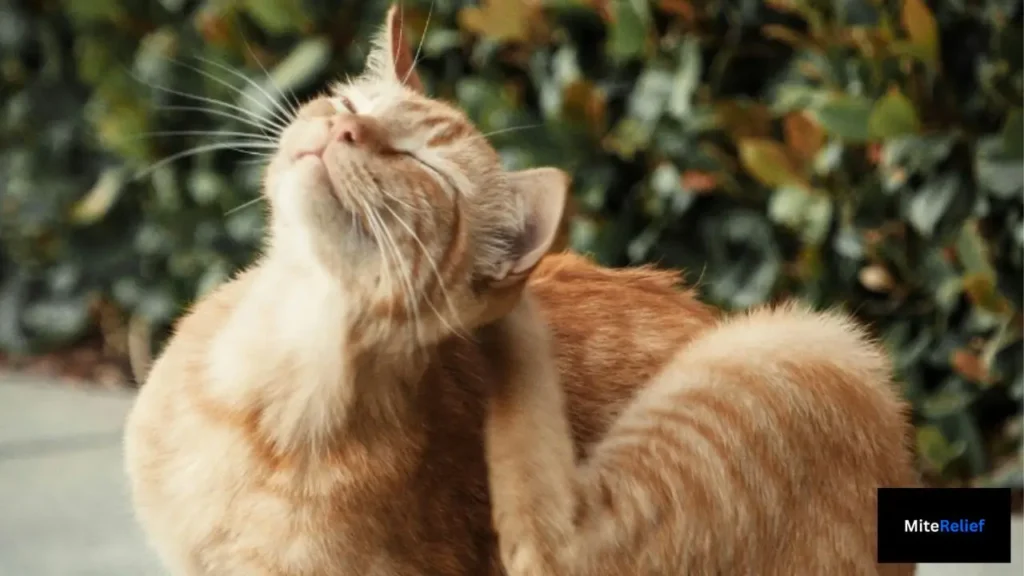
Cats with dust mite allergies react in ways that look familiar but with their own twist. The excessive grooming is usually the first thing owners notice, except that cats already groom themselves a lot, so crossing the line into obsessive territory is easy to miss unless you’re paying close attention.
One thing fairly specific to cats is miliary dermatitis. Little crusty scabs, usually along the back or around the neck area. Not always visible through thick fur, but you can feel them if you run your hand along the spine slowly. That texture shouldn’t be there. When it is, it’s worth a vet visit.
The bigger mistake people make is assuming it’s a flea allergy. And honestly that’s fair; the two look almost identical on the surface. Both cause scratching, over-grooming, and skin irritation. The difference in pattern is what helps separate them. Flea reactions tend to concentrate near the tail and lower back. Dust mite reactions in cats spread more broadly across the body. But look, don’t try to diagnose this yourself. Your vet needs to rule fleas out properly before assuming anything else.
How Vets Diagnose and Treat Dust Mite Allergies in Pets
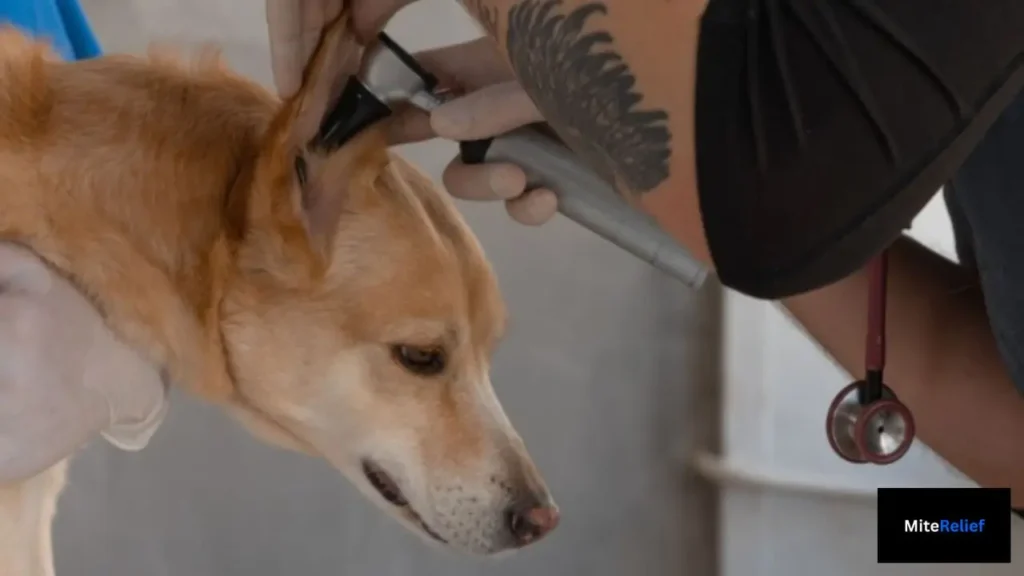
Getting an actual diagnosis is not optional. I know that sounds obvious, but a lot of people try to manage this purely through guesswork and some shampoo they found online. It sometimes helps a little. It rarely solves the problem. And sometimes it wastes months that could have been spent on something that actually works.
Vets use either a skin test or a blood allergy test to identify the specific allergen. Once dust mites are confirmed, the treatment gets tailored to how bad the reaction is. Mild cases often respond well to antihistamines or medicated shampoos that calm the skin down. Persistent or severe cases sometimes move to immunotherapy, which is a series of injections that train the immune system to stop overreacting to the allergen over time.
One important thing. Some human antihistamines are genuinely toxic to dogs and cats. Don’t reach for whatever’s in your medicine cabinet and assume it’s safe. It very likely isn’t. Get vet guidance before giving your animal anything at all.
How to Reduce Dust Mite Exposure for Your Pets at Home
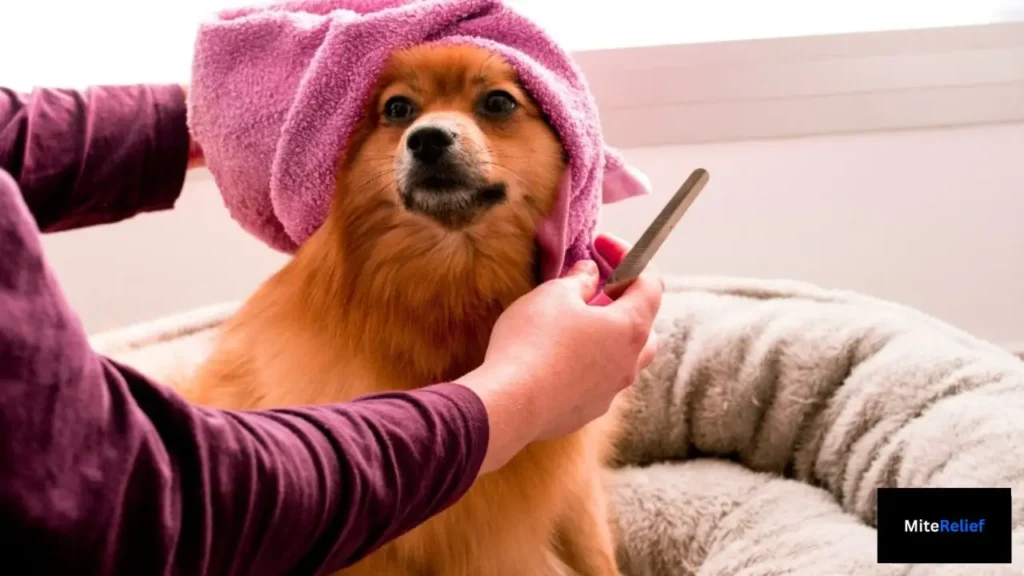
Even when the vet has a treatment plan sorted, what you do at home matters a lot. Medication manages the reaction. Reducing exposure reduces how often and how hard that reaction gets triggered. Both matter.
Washing pet bedding in hot water, around 60 degrees Celsius, every single week. That temperature actually kills dust mites instead of just moving them around. Cold or warm washes don’t come close to the same result. This one habit alone makes a noticeable difference over a few weeks if you stay consistent.
Regular vacuuming of sleeping areas, especially along carpeting and under furniture, steadily brings the mite population down. It’s not a one-time fix. It only works if you keep at it. Same with keeping humidity levels indoors below 50 percent. Dust mites struggle in drier air. A basic dehumidifier in the rooms your pet uses most can actually shift things faster than you’d expect.
Keeping pets off human beds is probably the hardest one to actually enforce. But human mattresses and pillows tend to hold some of the highest dust mite concentrations in the whole home. Letting your dog or cat sleep there means constant high-level exposure. Worth reconsidering if the allergy is serious.
Bathing your pet regularly also helps by cutting down on shed dander, which is what the mites are feeding on in the first place. Less dander means less food for the mites, which means fewer mites over time.
For a full setup, the guide on dust mites in your bedroom covers this really well. And if you want the broader habit list, the piece on how to prevent dust mites from building up applies just as much to pet owners as anyone else.
Frequently Asked Questions
Are dust mites bad for dogs?
For most dogs, mites don’t cause obvious problems. But for a dog with a dust mite allergy, they cause real misery. Persistent skin issues, recurring ear infections, and constant discomfort that doesn’t go away on its own. Left unmanaged, it only gets harder to deal with over time.
Can I treat my dog’s dust mite allergy at home?
Reducing exposure at home genuinely helps and should be part of the plan. But it doesn’t replace a diagnosis. Hot water washes, regular vacuuming, and lower humidity manage the environment. They don’t treat the allergy itself. Your vet still needs to be involved before any medication is given
Do dust mites live on cats and dogs themselves?
No. Dust mites live in fabric, not fur. Bedding, carpeting, mattresses, furniture. Your pet picks up allergen exposure by spending time in those spaces. The mites themselves aren’t crawling on your animal.
How common is dust mite allergy in pets?
Genuinely common. It’s one of the leading causes of atopic dermatitis in dogs and cats both. Vets deal with it regularly. If your animal keeps showing allergy symptoms with no clear cause, dust mites should be on the list of things to test for fairly early in the process.
What to Read Next
- How to Prevent Dust Mites: 9 Habits That Actually Keep Them Away
- Best Vacuum Cleaners for Dust Mites (2026 Buying Guide)
- What Are Dust Mites? 7 Signs You Have Them (Complete Beginner’s Guide)
Conclusion
Dust mite allergies in dogs and cats are honestly a lot more common than most pet owners would ever think, and in most cases they just don’t get better on their own without some kind of proper treatment. What might seem like simple itching, your pet licking themselves constantly, ear infections that keep coming back, or skin irritation that never really clears up a lot of the time is actually happening because of an allergic reaction to dust mites that are living somewhere in your home environment.
Here’s the thing, though: this isn’t a hopeless situation at all. Once a vet actually pins down the diagnosis, managing dust mite allergies becomes very doable. I think what trips most people up is they try one or two things, don’t see instant results, and give up. That’s the wrong approach. Consistency is honestly everything here. Washing bedding every week, running a dehumidifier or vacuuming more often than you normally would: none of this is complicated, but you have to actually keep doing it.
Something I really want pet owners to take away from this is to stop normalizing your pet’s suffering. Chronic itching, constant licking, and skin that never heals properly—your dog or cat shouldn’t just have to deal with that. I know vet visits feel like a hassle sometimes, and yeah, they cost money. But leaving an allergy untreated ends up being so much harder on your pet and, honestly, more expensive down the road too.
Early action makes a genuinely noticeable difference. Pets that get proper treatment early respond so much better than ones who’ve been suffering for years. The skin heals, the scratching stops, and the infections clear up and stop coming back.
If your pet has been struggling, this is your sign to actually do something about it. They can’t ask for help themselves, but you can get it for them.
Medical Disclaimer
This content is for informational purposes only and is not a substitute for professional medical advice, diagnosis, or treatment. Always consult a qualified healthcare provider regarding persistent allergy symptoms, asthma, or breathing difficulties. We assume no liability for any health outcomes resulting from the use of this information.

Umar Farooq is the founder of MiteRelief, a resource for dust mite control and allergy prevention. After battling allergen sensitivity, he started creating research-backed guides that turn complex indoor air quality science into practical, affordable solutions anyone can implement.