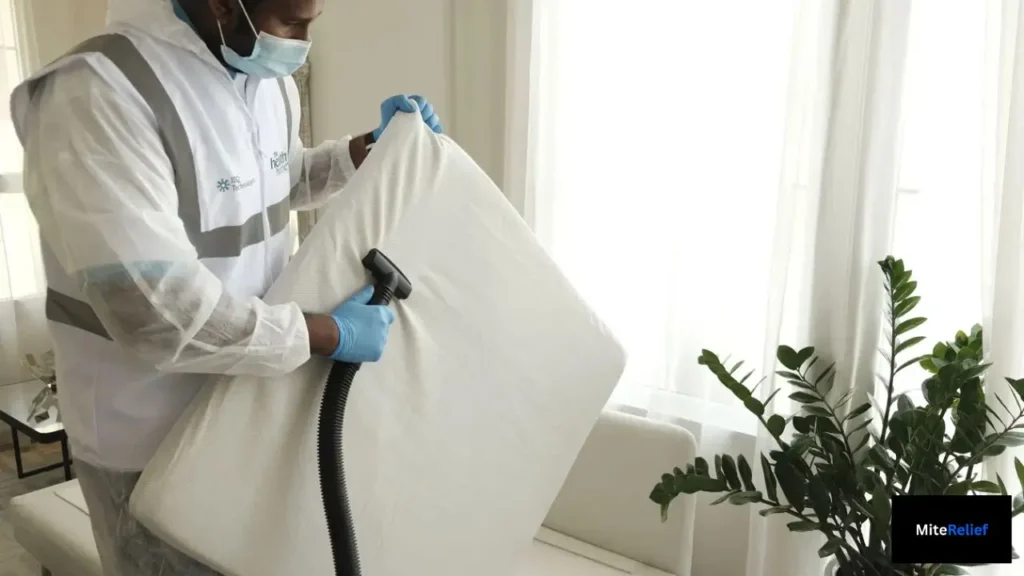
Steam kills a dust mite the instant it touches it. That part’s simple. What’s not so simple is everyone assumes the machine does all the work by itself, and honestly, it doesn’t.
Here’s what I mean. You could own the fanciest steam cleaner on the market, and if you rush the job, you’re still left with mites hiding in the seams. do steam cleaners kill dust mites So this isn’t just a steam cleaner dust mites checklist. It’s more of a “here’s what actually works, and here’s where people mess it up” kind of guide.
This guide walks through what steam cleaner dust mite treatments really do, when UV light helps and when it’s mostly marketing, and which tools are worth your money.
Do steam cleaners actually kill dust mites?
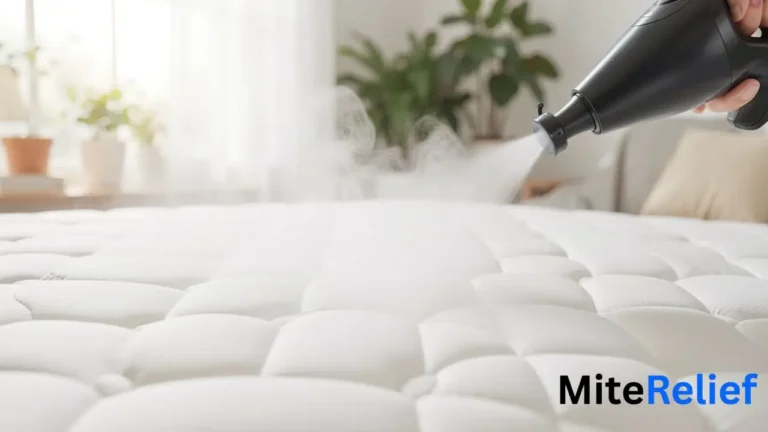
Yes. Steam at 100°C kills dust mites on contact at every life stage: egg, larva, and adult. That’s not a maybe. Heat this intense denatures the proteins that make up a mite’s body almost instantly.
But here’s the bit that gets left out of basically every other article on this topic. A vacuum picks up the bodies. It does not, however, touch the allergen proteins that are already sitting in the fabric. Steam does that part. do steam cleaners kill dust mites The heat and moisture together break down Der p 1 and Der f 1, which, for what it’s worth, are the two proteins responsible for most of the sneezing and itching people blame on dust mites.
So if you’re just using a HEPA vacuum and wondering why symptoms haven’t improved much, that might be why. Vacuuming removes bodies. Steam neutralizes what’s left behind. Different jobs, and honestly you kind of need both.
What surfaces can you steam clean for dust mites?
Not everything in your room wants to be steamed, and finding that out the hard way tends to be expensive.
Fine to steam:
- Mattresses, as long as it’s a fabric surface and not all foam
- Pillows, but only the ones with a fabric cover
- Carpets and area rugs
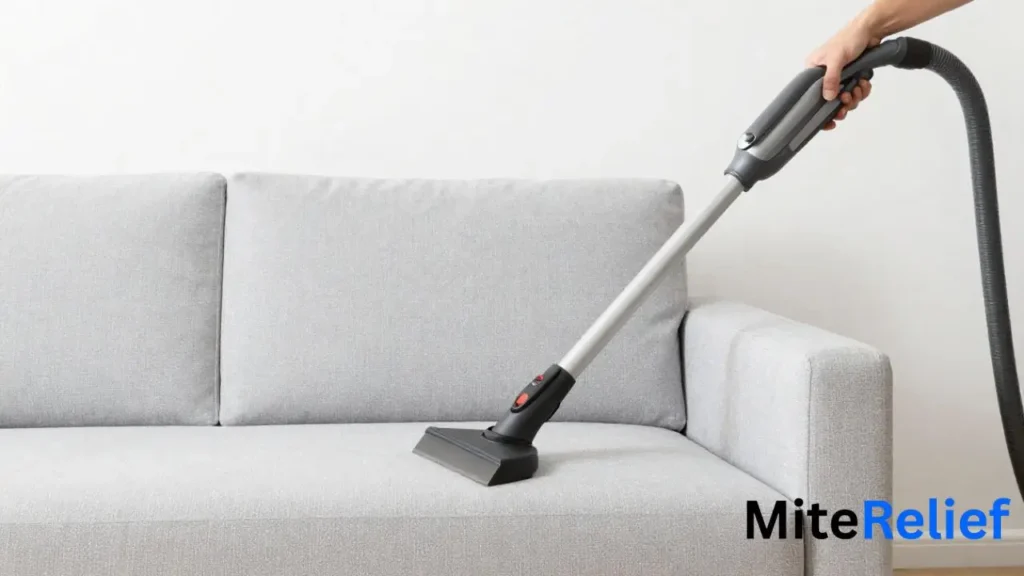
- Upholstered chairs, sofas, that sort of thing
- Curtains, and yes, the stuffed toy your kid won’t let go of
It makes sense, really; these are the exact spots where dust mites and their debris like to sit, tucked deep into the fibers where steam can reach.
Don’t touch these with a steamer:
- Memory foam cores. Moisture gets trapped in there and just never leaves, and that’s a mold situation waiting to happen
- Electronics. Do I even need to explain this one
- Wood that’s untreated or unsealed, since the heat and dampness can warp it or leave discoloration
Quick rule that’s held up for a lot of people: fabric plus the ability to check for dampness afterward is probably fine. Solid, dense, has a plug on it; leave it alone. Oh, and test a hidden patch first on anything with color or delicate dye, curtains especially, since some fabrics react strangely to heat.
How to steam clean a mattress for dust mites, step by step
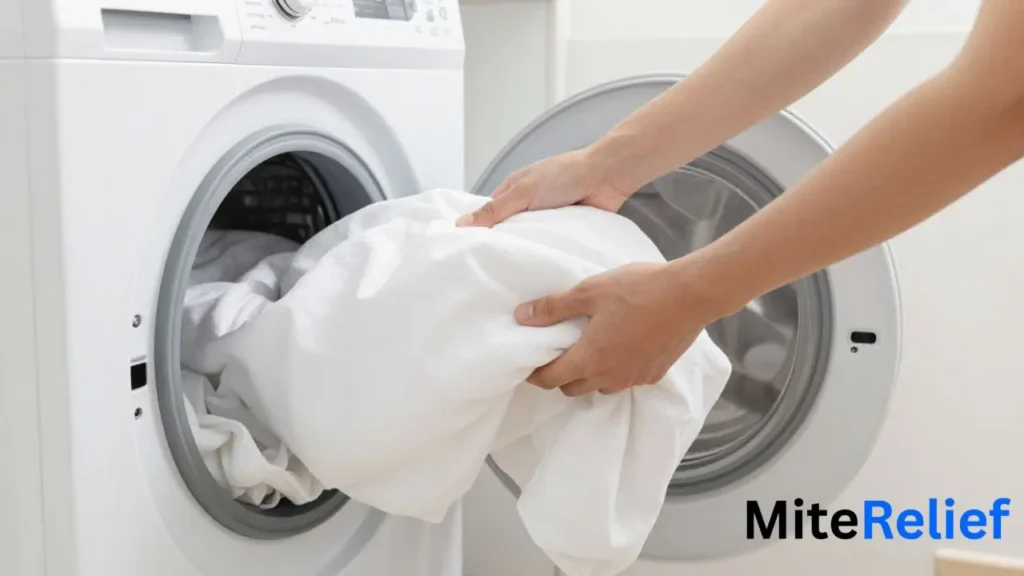
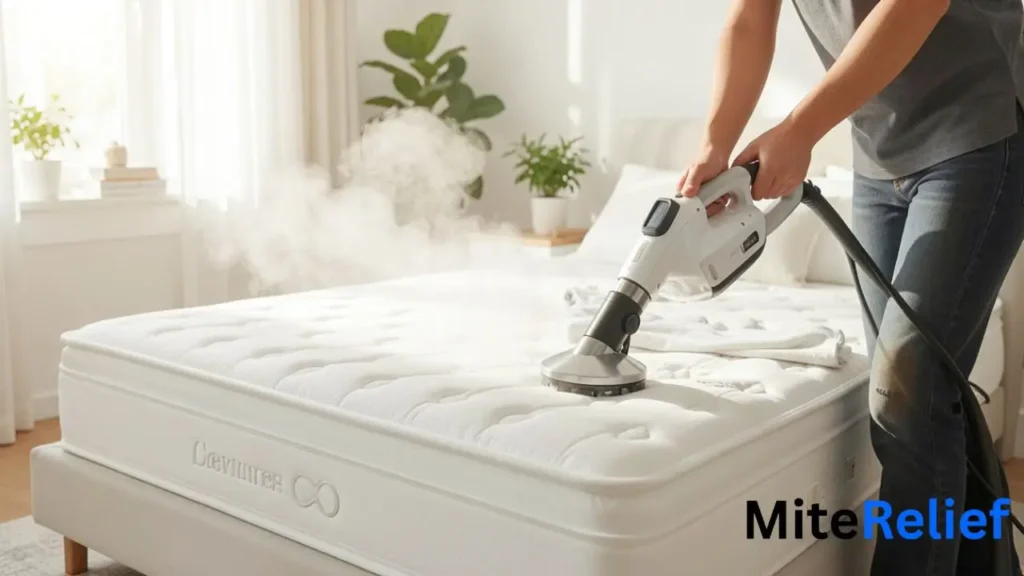
First things first, strip everything off the bed first. Sheets, a protector: all of it gone. You want the steam hitting the mattress directly, no fabric in between soaking it up before it even gets there.
Move the nozzle slowly. Overlapping strokes, roughly an inch or two a second, and no, that’s not painfully slow; it just feels that way. Go faster than that and the mites tucked into the deeper fibers never get enough sustained heat to actually die.
Seams, edges, and anywhere near buttons or tufting: spend extra time there. That’s basically my real estate. Once you’ve covered the whole thing, let it dry, properly dry, for at least 2 to 4 hours before the sheets go back on.
Pay extra attention to seams, edges, and the areas around buttons or tufting; mites love those hidden folds. Once you’ve covered the whole surface, let it dry fully, and I mean fully, for 2 to 4 hours minimum before putting sheets back on. A damp mattress is basically an invitation for new mites and mold, both. If you want the full picture on keeping your bedroom free of dust mites beyond just the mattress itself, that’s worth a separate read.
A quick note on frequency here too: don’t treat this as a one-and-done job. Mites repopulate fast, especially in warm, humid bedrooms, so a single steam session buys you weeks, not months, of relief.
Best steam cleaners for dust mites
Not every steamer on a shelf actually reaches the temperature needed to kill anything, so here’s what to look for before spending money.
You want something that hits at least 100°C right at the nozzle, since some of the cheaper handhelds just don’t get there. Look for an upholstery attachment, a fabric pad for anything delicate, and adjustable steam flow because a pillowcase and a rug should not be getting blasted with the same pressure.
Budget pick
Something compact, a Cacagoo A handheld UV A mite remover or similar does the job for spot treatments, pillows, stuffed toys, and small cushions. Heats up fast, stores away easily, and is no fuss.
Mid-range
Units like the Deerma CM800 or the JIMMY WB55 come with a dedicated fabric floor pad and steady, continuous steam. Good pick if you’re doing the mattress and the bedroom textiles around it in one session.
Higher end
For whole-home use, a Vapamore-style vapor steam cleaner tends to hold higher temperatures for longer stretches, which matters if you’ve got a king mattress or you’re covering more than one room.
One more thing on tanks: small ones mean more refills, and that’s fine until you’re halfway through a mattress and the steam just quits on you. Bigger job planned? Check how many minutes of continuous steam you actually get, not just the wattage printed on the box; that number tells you very little on its own.
Does UV light kill dust mites?
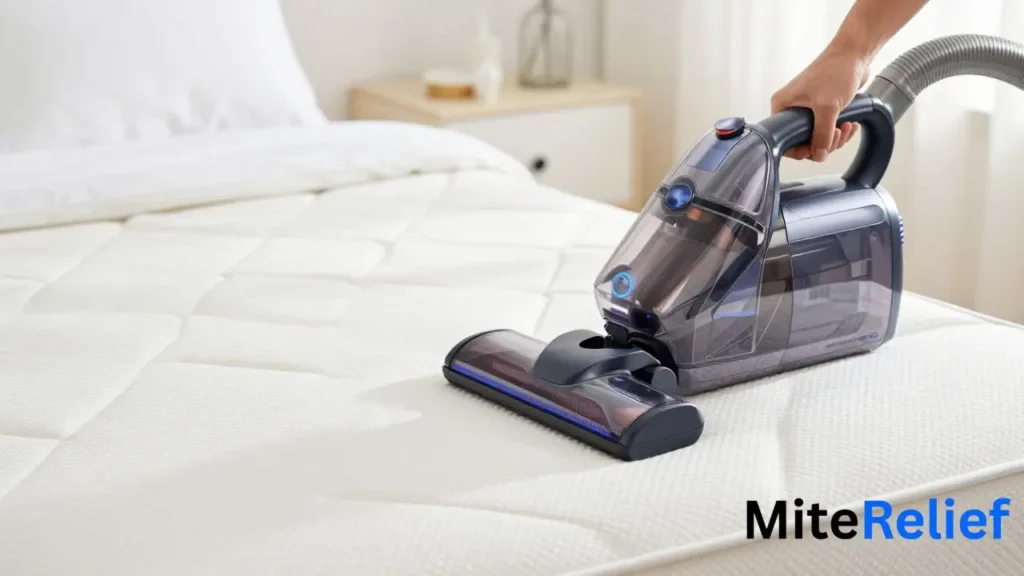
Yes, technically. UV-C light damages a mite’s DNA enough to kill it, though how well that plays out depends a lot on exposure. A few newer vacuums, the JIGOO Dust and Mite Cleaner and the Mamibot UVLITE 200 being two examples, now come with a UV-C lamp built right into the nozzle for exactly this reason.
But does UV light kill dust mites in real, everyday use? That’s where it gets murkier. A normal vacuum pass gives the light maybe a second or two of contact per spot, and that might not be long enough to reach mites sitting deeper than the surface.
Can UV light kill dust mites further down in the fabric then? Less reliably, since the light just doesn’t travel that far into thick material. So UV light dust mite treatments are really more of a surface-level touch-up, not something to lean on as your only method. Something like a LivePure Ultramite UVC or a JTAPURE 100W UV light with ozone works fine for quick top-ups between the real cleaning sessions.
| Method | Kills mites | Removes allergens | Best used for | Time needed |
| Steam (100°C) | Yes, all stages | Yes, breaks down proteins | Mattresses, upholstery, curtains | Slow pass plus 2 to 4hr dry time |
| UV-C light | Yes, with enough exposure | No | Quick surface touch-ups | Seconds per spot, limited depth |
| Hot wash (60°C) | Yes, all stages | Yes, rinses proteins away | Bedding, washable fabrics | One wash cycle |
Steam vs. UV vs. hot washing: Which is best?
If I’m being honest, hot washing at 60°C wins outright as a single method; it kills mites and rinses the allergen proteins straight down the drain in one go. The catch, obviously, is you can’t wash a mattress or a couch in a machine.
That’s really where steam steps in, best suited for mattresses, furniture, and anything too bulky or delicate for a washer. UV light works best as a light touch-up between the real cleans, not something you rely on by itself.
If you want the honest answer on what kills dust mites most reliably across an entire bedroom, it’s really a combination. Wash what you can at 60°C, steam what you can’t, and use UV as a quick pass in between for extra peace of mind. All three together beat relying on just one.
People sometimes ask which one to prioritize if they only have time for one method a month. Honestly, wash your bedding weekly no matter what; that’s non-negotiable, and then rotate steam and UV depending on what needs attention: mattress one week and sofa and curtains another.
Common steam cleaning mistakes that don’t work
Going too fast is mistake number one, easily. It looks thorough, gliding the nozzle across the fabric quickly, but the heat never sits long enough to actually reach whatever’s hiding underneath.
Skipping the drying time is another one. Yes, waiting 2 to 4 hours feels like forever. But putting sheets back on a damp mattress just traps that moisture in, and mold and mites both thrive on exactly that kind of dampness.
People also skip the seams and edges, which happens to be where mites cluster the most, so a quick pass over the middle of the mattress really isn’t doing much. And steaming before vacuuming, or worse, not vacuuming at all, just leaves dead mite bodies sitting right there in the fabric, still capable of triggering a reaction. Vacuum first, always, ideally keeping indoor humidity below 50% in the room too, since mites thrive in damp air.
There’s also a habit of overloading the steamer with attachments it wasn’t built for, forcing a mattress head onto a machine meant for hard floors, that kind of thing. Check the manual, or honestly just check the box, before assuming an attachment will work the way you think it will.
Frequently asked questions
How often should you steam clean your mattress for dust mites?
Somewhere around every 4 to 6 weeks works for most households. If someone in the house deals with allergies, or even mild asthma, bring that down to every 2 to 3 weeks instead. Pair it with weekly vacuuming, since one without the other barely moves the needle.
Can I use a handheld steam cleaner on my mattress?
You can, yeah. Just check it hits at least 100°C, and make sure it’s got a fabric attachment; skipping that part defeats the purpose. Handhelds are honestly great for quick spot jobs. A full mattress, though? Takes longer than you’d think compared to a bigger unit. Worth knowing before you commit a whole afternoon to it.
Do UV vacuum cleaners kill dust mites?
Some UV vacuum cleaners can help reduce dust mites on mattress surfaces by combining UV-C light with suction. However, their effectiveness depends on exposure time and cleaning technique, so they work best alongside regular vacuuming and hot washing.
Does ultraviolet light kill dust mite eggs as well as adults?
UV-C light is generally more effective against adult dust mites than eggs because eggs are better protected and may be hidden deeper inside fabrics. For the best results, use UV-C together with steam cleaning or hot washing instead of relying on UV light alone.
Is steam cleaning safe on memory foam mattresses?
Not on the foam itself, no. Moisture gets trapped inside and takes ages to dry out, which practically invites mold in. If there’s a removable cover, though, pull that off and steam it on its own; just give it a bit of extra drying time before it goes back on.
What to read next
- Best Vacuum Cleaners for Dust Mites (2026 Buying Guide)
- Best Dehumidifiers for Dust Mite Allergy (And Why Humidity Matters)
- Dust Mites in Your Bedroom: How to Make It a Mite-Free Zone
Conclusion
Dust mites aren’t leaving on their own, that much is obvious. Steaming just knocks their numbers down far enough that your mattress stops being their favorite hangout. Do it every few weeks, vacuum in between, check what your mattress is actually made of before the steamer gets anywhere near it, and don’t skip drying the cover.
None of it’s complicated. It’s just one of those chores you keep pushing off until you finally get around to it and think, well, that probably should’ve happened a while ago.
Medical Disclaimer
This content is for informational purposes only and is not a substitute for professional medical advice, diagnosis, or treatment. Always consult a qualified healthcare provider regarding persistent allergy symptoms, asthma, or breathing difficulties. We assume no liability for any health outcomes resulting from the use of this information.

Umar Farooq is the founder of MiteRelief, a resource for dust mite control and allergy prevention. After battling allergen sensitivity, he started creating research-backed guides that turn complex indoor air quality science into practical, affordable solutions anyone can implement.