Most vacuums don’t remove dust mite allergens; they just blow them back into the air. That’s the uncomfortable truth most people find out too late, usually after months of sneezing, itchy eyes, and wondering why the cleaning isn’t helping. If you’re dealing with allergy symptoms caused by dust mites, the vacuum you’re using might actually be part of the problem.
The best vacuum cleaners for dust mites works differently. It captures the microscopic particles that set off reactions rather than sending them back into circulation. These are particles at 0.3 microns, so small you’ll never see them and lightweight enough to float for hours. Most machines simply aren’t built to deal with that. The design just wasn’t made for it.
This guide covers what features actually matter, which vacuum type suits which surface, and what a realistic cleaning routine looks like for allergy sufferers. No filler, no vague advice. Just what works.
Why a Regular Vacuum Isn’t Enough
Here’s the thing about standard vacuums. They’re designed to pick up visible debris, crumbs, hair, and maybe some pet dander you can actually see. But dust mite allergens are a different problem entirely.
There’s also something that catches most people off guard, and honestly it’s a bit annoying to find out this late. Vacuuming can actually make allergen levels in the air spike temporarily, even with a halfway decent machine. So in those 20 or 30 minutes right after you’ve cleaned, when you’re expecting to feel better, you might actually feel worse. Sneezing more, eyes itching a bit. It settles, yes, but the point is, a weak filter and a leaky seal aren’t small issues you can overlook. They’re the reason the whole thing either works or doesn’t. And most budget vacuums fall apart exactly there.
What to Look for in a Dust Mite Vacuum Cleaner
Shopping for vacuum cleaners for dust mites can feel overwhelming; every box says ‘powerful’ and deep clean, and honestly a lot of it is just marketing. So here’s what actually matters, in plain terms.
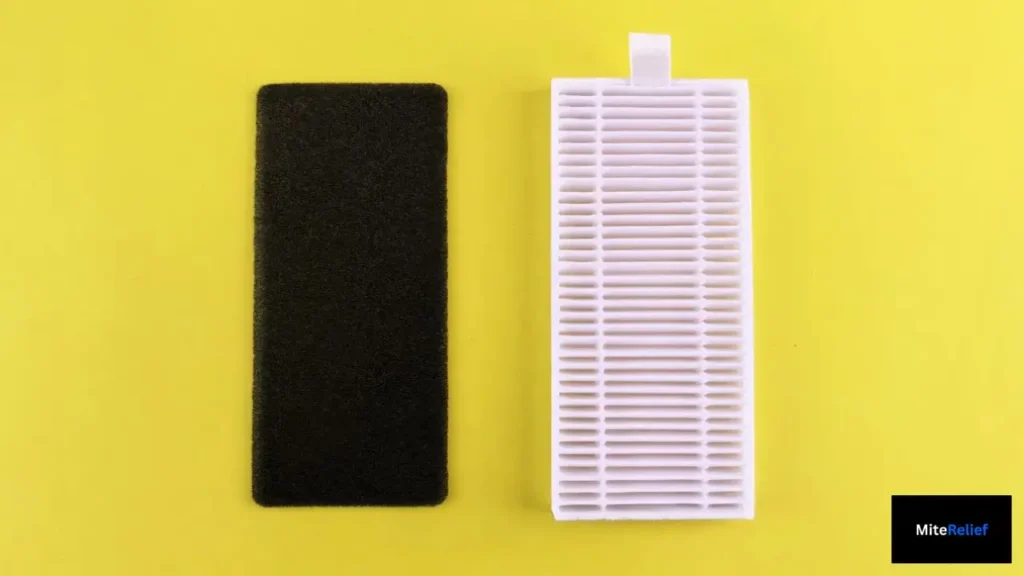
A genuine HEPA filter is the first thing to verify. Not HEPA-style or HEPA-like, but actual certified HEPA that captures 99.97% of particles down to 0.3 microns. Then check whether the machine has a fully sealed system, because a leaky vacuum body can undo everything the filter does. Suction matters too, and anything below 200 air watts starts to feel underwhelming on carpets.
A few other things worth checking before you buy:
- Sealed system: the air path should have no gaps between the intake and exhaust
- Washable HEPA filters: saves money long-term and keeps filtration consistent
- Bag vs bagless: bagged vacuums like the Sebo Felix Premium or Airbelt K3 tend to release fewer allergens during emptying
- Turbo brush or motorized floor head: better at lifting debris embedded in carpet fibers
- Cord length and weight: important if you’re covering multiple rooms or staircases regularly
One thing people often skip is checking the seal around the filter compartment. Even with great filtration, a poor seal turns it into a leaky system. Some models, like the V15 Detect or Complete C3 series, handle this well out of the box.
Upright vs. Canister vs. Handheld: Which Is Best?
Honestly, this comes down to where you have the biggest problem. There’s no single type that wins across every situation, and anyone who tells you otherwise is probably trying to sell you one specific model.
Upright vacuums are the classic choice for carpets and large floor areas. The motorized brush roll digs into carpet fibers better than most alternatives, which matters a lot when you’re trying to remove embedded pet dander and debris. Models like the AZ3000 Upright are good examples here: solid suction, proper HEPA filtration, and manageable weight.
Canister vacuums like the Complete C3 Marin, Complete C3 Calima, or Airbelt K3 have a real advantage when it comes to furniture, stairs, and tight corners. The flexible hose setup gives you much better maneuverability without hauling a heavy body around. If you have a mix of hard floors and rugs, canisters tend to be more versatile overall.
Handheld vacuums are in their own lane. They’re not a replacement for a full-size machine, but for spot-cleaning upholstery or doing a quick pass over a couch cushion, they’re excellent. The Freo X Ultra and Narwhal sit in this category, and their best use case comes up in the next section.
Best Vacuum for Dust Mites in Your Bed
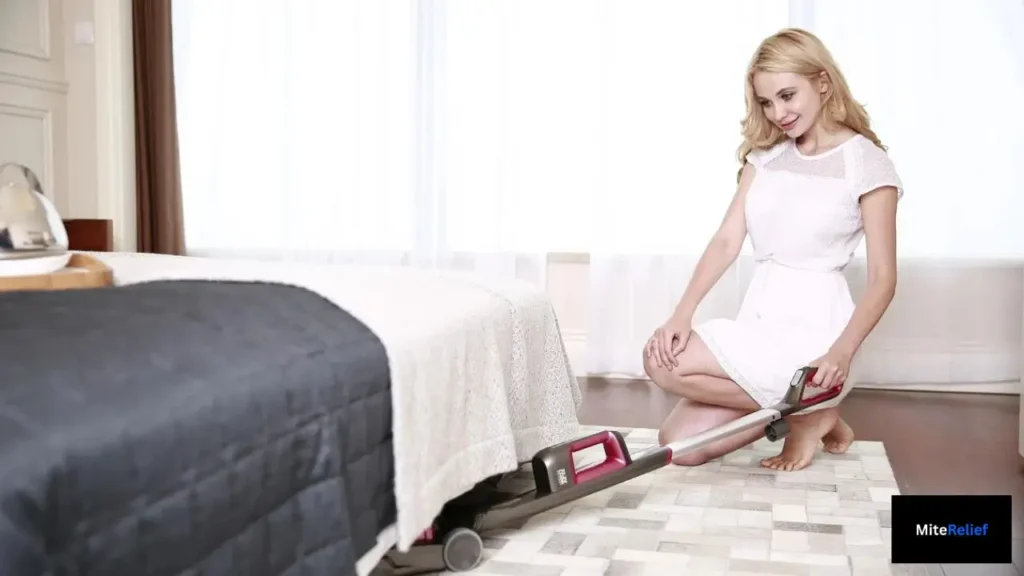
Your mattress is, unfortunately, one of the worst hotspots in the entire home. Dust mites thrive in warm, humid environments, and a bed ticks every box. They feed on skin cells, they’re sheltered from light, and most people don’t vacuum their mattress at all. Ever. So if you’re waking up congested or with itchy skin, this is probably where you want to start.
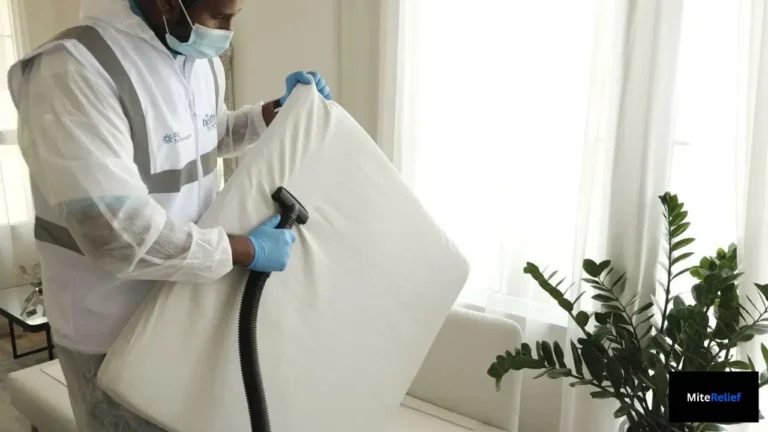
The best approach here is a lightweight handheld with a specialized anti-allergen or UV attachment. Something you can actually maneuver over a mattress surface without it being exhausting. A few passes weekly, focusing on the top surface and sides, makes a genuine difference in allergen exposure. It doesn’t need to be heavy-duty; it needs to be consistent.
For a deeper look at how dust mites in your bedroom affect your sleep and overall allergy load, that’s covered separately with room-specific strategies. Pairing the right vacuum with proper bedding practices is where the real improvement happens, not just one or the other.
Best Vacuum for Carpets and Rugs
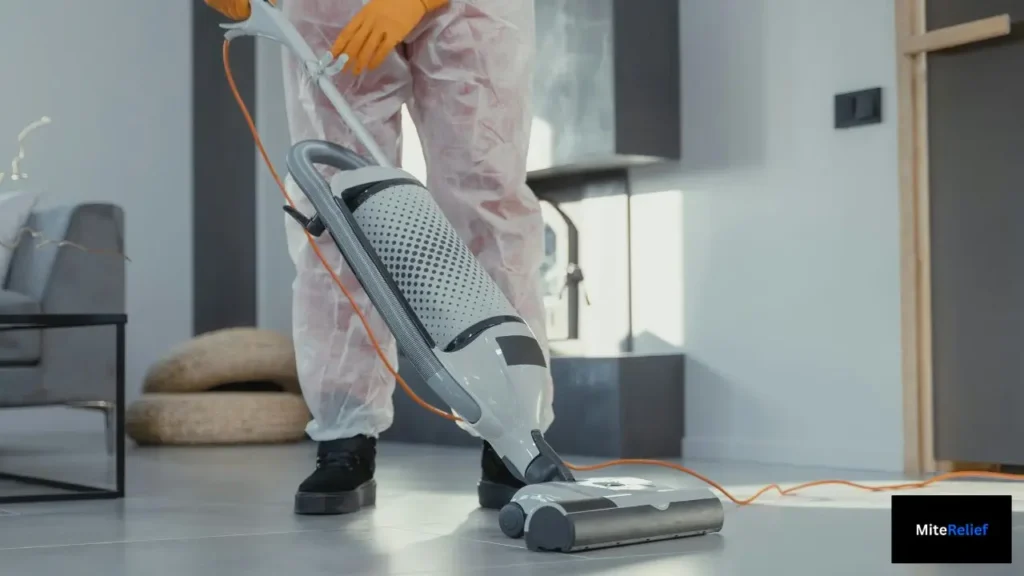
Carpets are the main reservoir. Full stop. The fibers trap pollen, pet dander, skin cells, and all the other material that dust mites feed on. Vacuuming the surface every now and then isn’t enough; you need something that actually agitates and lifts what’s buried deeper in the pile.
For this job, an upright with a rotating brush roll and a proper HEPA seal is the go-to. The Ball Animal 3CX1 Cat is a reasonable choice for pet households. The JB35 is worth a look too, particularly if you want something slightly more compact without losing suction on thicker carpets.
Frequency matters just as much as the machine. For carpeted bedrooms especially, vacuuming 2 to 3 times a week is the realistic target. Once a week is better than nothing, but it leaves a long window for allergen buildup between sessions. High-traffic areas, hallways, and living rooms honestly benefit from the same frequency if you can manage it.
How Often Should You Vacuum for Dust Mite Control?
Mattresses and bedding-adjacent areas weekly, minimum. That includes the mattress surface, pillows if your machine can handle them, and any rugs right next to the bed. Carpeted bedrooms get vacuumed 2 to 3 times a week ideally. Furniture and upholstery, sofas, armchairs, and fabric headboards weekly as well.
This fits into the same cleaning routine that covers laundering bedding at 60 degrees and using allergen-barrier covers, which pairs naturally with the methods that kill dust mites used across the home. Vacuuming alone manages the allergen load, but it doesn’t eliminate mites on its own.
One practical note: vacuum before you dust, not after. If you dust furniture first, you redistribute particles onto the floor and then miss them when you vacuum. Small habit changes genuinely make a difference.
Vacuuming Mistakes That Make Dust Mite Allergies Worse
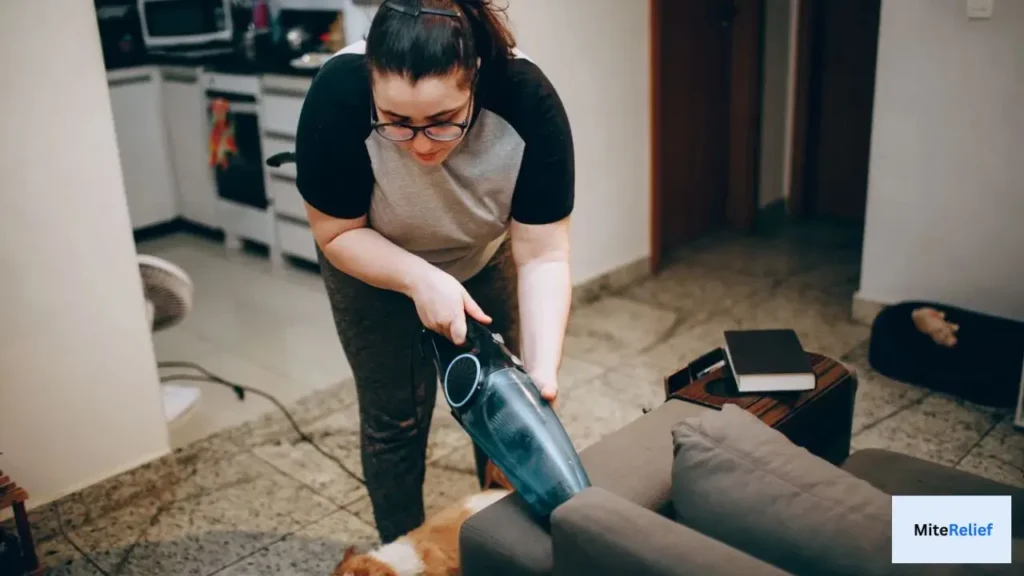
The most common one is ignoring the HEPA filter entirely. Filters clog over time, and a clogged filter reduces suction while also pushing dirty air through gaps in the housing. Check it monthly, wash it if it’s washable, and replace it on schedule. Skipping this basically undoes the reason you bought a filtered vacuum in the first place.
Vacuuming too fast is another one. Moving quickly over carpet means the brush roll barely makes contact with what’s deeper in the fibers. Slow, overlapping passes, especially on thicker pile, do significantly more work. It’s less satisfying to do slowly, but the results are genuinely better.
Not emptying the bin regularly is underrated as a problem. A full bagless bin compresses the debris, and allergens start leaking back out through the filter seams. Empty it outside if possible. Also, don’t forget upholstery and curtains. Most people vacuum floors thoroughly and completely ignore fabric surfaces, which can hold just as many allergens. For natural dust mite remedies that complement your vacuuming routine, there are additional steps that help reduce overall exposure without relying only on the machine.
Frequently Asked Questions
Does vacuuming actually remove dust mites?
It removes their allergens, the shed skin particles and droppings that trigger reactions, rather than the mites themselves. Live dust mites cling to fibers, and a standard pass won’t dislodge them. But removing the allergen load regularly is what reduces exposure, and that’s what matters for allergy sufferers.
Can I wet vacuum my mattress?
You can, but it’s generally not recommended as a regular method. Moisture left in the mattress creates the warm, damp environment that dust mites prefer. A dry handheld vacuum with a UV or anti-allergen attachment is a safer and more effective option for regular maintenance.
Is there a device that detects dust mites?
Yes, dust mite test kits are available and can detect allergen levels in bedding and carpet samples. Some newer robot vacuum models, including those from the Narwal and laser-equipped ranges, have particle sensors, though these measure general air quality rather than mites specifically. Test kits give a clearer picture of actual allergen concentration.
How often do you vacuum carpets to control dust mites?
Two to three times weekly for carpeted bedrooms is the practical target. For lower-traffic rooms, once a week is a reasonable minimum. The frequency is more important than most people expect. Dust mite allergen levels rebuild quickly in carpeted environments, especially in warm or humid home conditions.
What to Read Next
- Dust Mites in Your Bedroom: How to Make It a Mite-Free Zone
- Best Air Purifiers for Dust Mites
- How to Get Rid of Dust Mites Naturally
Conclusion
The vacuum you pick genuinely matters. But here’s the catch: it only matters if it’s actually built for what you’re throwing at it. A proper sealed system, real certified HEPA filtration, and suction that can actually get through carpet fibers without just grazing the surface. Take any one of those three away, and you’re basically performing the idea of cleaning rather than doing it. Surface matching is something a lot of people don’t think about at all. They buy one vacuum and use it everywhere the same way and then wonder why things aren’t improving. Upright for heavy carpet work. Canister for furniture, stairs, or anything with awkward angles. Handheld for the mattress and soft upholstery, because nothing else really reaches those surfaces properly. Each type has a specific job. Using the wrong one is just wasted effort, genuinely.
And then there’s consistency, which is honestly where most people quietly fall apart. Not because they don’t care, just because life gets in the way and suddenly it’s been ten days since the bedroom carpet was vacuumed. The allergen load inside a home doesn’t wait around. It rebuilds fast, especially on carpets and bedding. Two to three times a week for the rooms where you sleep and sit the most. That’s the actual target, not once a week when you remember. No expensive setup needed here, no complicated system to follow. Right machine, right surface, done often enough that the allergens never really get a foothold. That’s the whole thing. People expect some dramatic answer, and it’s just, Do it regularly with the right equipment, and it works.
Medical Disclaimer
This content is for informational purposes only and is not a substitute for professional medical advice, diagnosis, or treatment. Always consult a qualified healthcare provider regarding persistent allergy symptoms, asthma, or breathing difficulties. We assume no liability for any health outcomes resulting from the use of this information.

Umar Farooq is the founder of MiteRelief, a resource for dust mite control and allergy prevention. After battling allergen sensitivity, he started creating research-backed guides that turn complex indoor air quality science into practical, affordable solutions anyone can implement.